
Gyeonggijeon Shrine, the Royal Portrait Museum and Jeonju Hanok Village: Different Histories in One Route
If you are unsure where to begin in Jeonju Hanok Village, group Gyeonggijeon Shrine with the Royal Portrait Museum in its grounds, then explore the alleys. This route distinguishes a place for enshrining a king’s portrait, exhibitions explaining royal images, and a residential district formed in modern times. They do not all date from early Joseon.
Suggested route
1. Gyeonggijeon Shrine 2. Royal Portrait Museum (inside the Gyeonggijeon Shrine grounds) 3. Jeonju Hanok Village
First stop: Gyeonggijeon Shrine
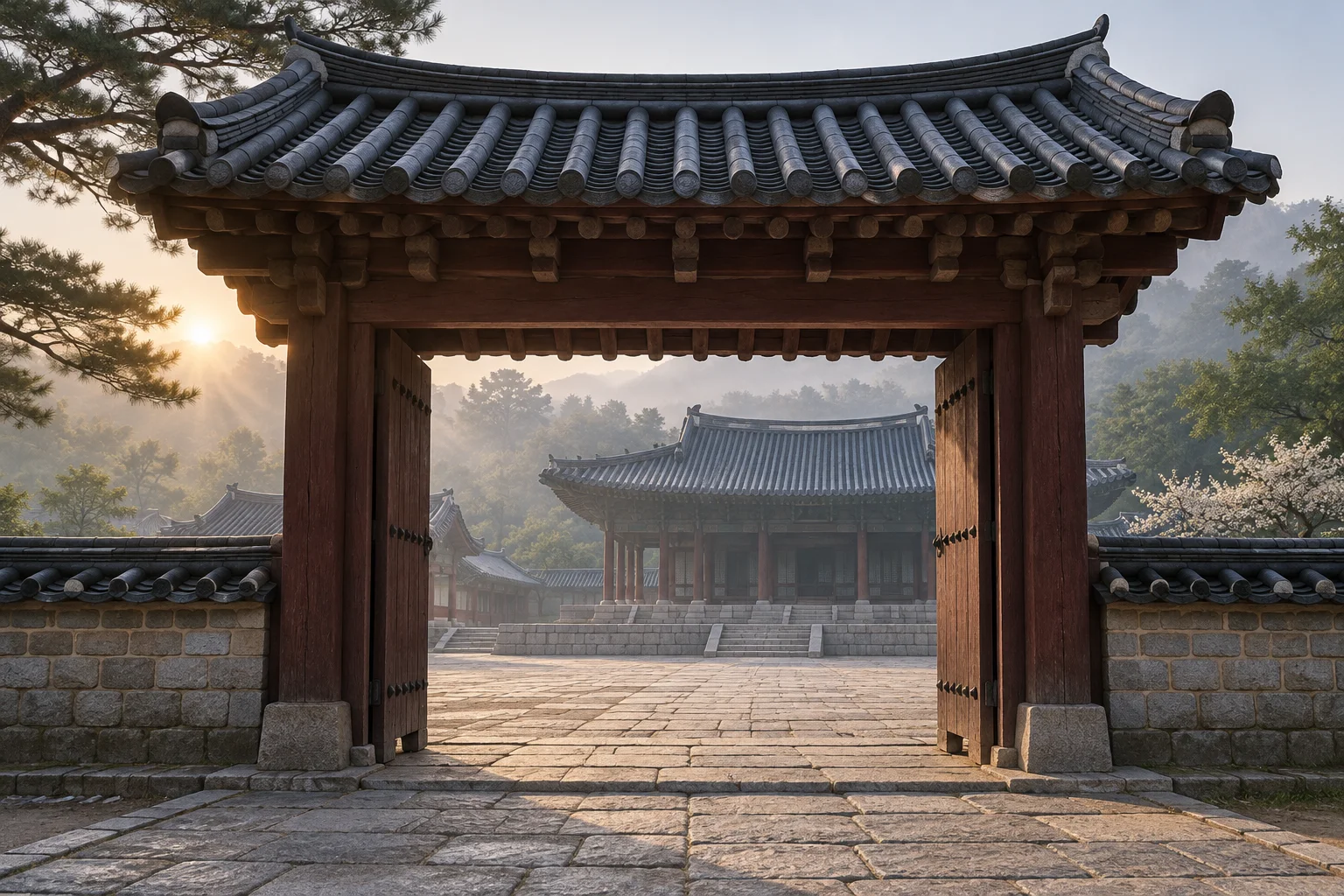
Gyeonggijeon Shrine was founded in 1410 to enshrine Taejo’s portrait. Tour Jeonbuk also records its destruction in 1597 and rebuilding in 1614. The founding date is not the age of every building visible today. The Jeonju archive and the wartime preservation of the annals offer another way to understand the site. Read the interpretation with two separate roles in mind: caring for the royal portrait and safeguarding records.
Second stop: Royal Portrait Museum
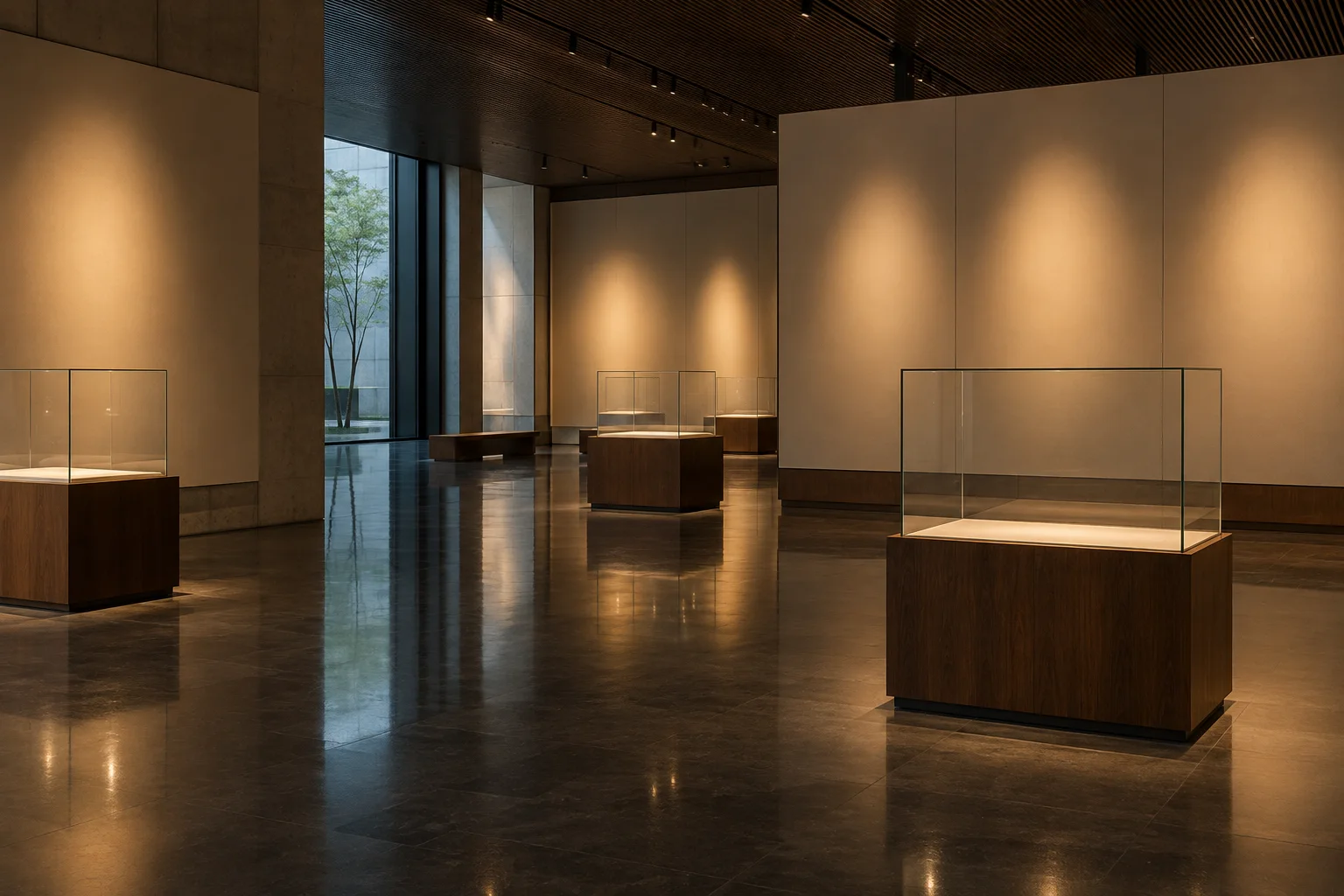
The Royal Portrait Museum stands within the shrine grounds. Jeonju City’s existing guide describes royal portraits, the history and rituals of Gyeonggijeon Shrine, and palanquins used to transport portraits. It identifies Sejong’s and Jeongjo’s portraits as imagined likenesses and Gojong’s and Sunjong’s as copies based on photographs. Compare the basis of the images rather than only their faces. This description is not a confirmed exhibition list for your visit or a guarantee that originals will be on display.
Third stop: Jeonju Hanok Village
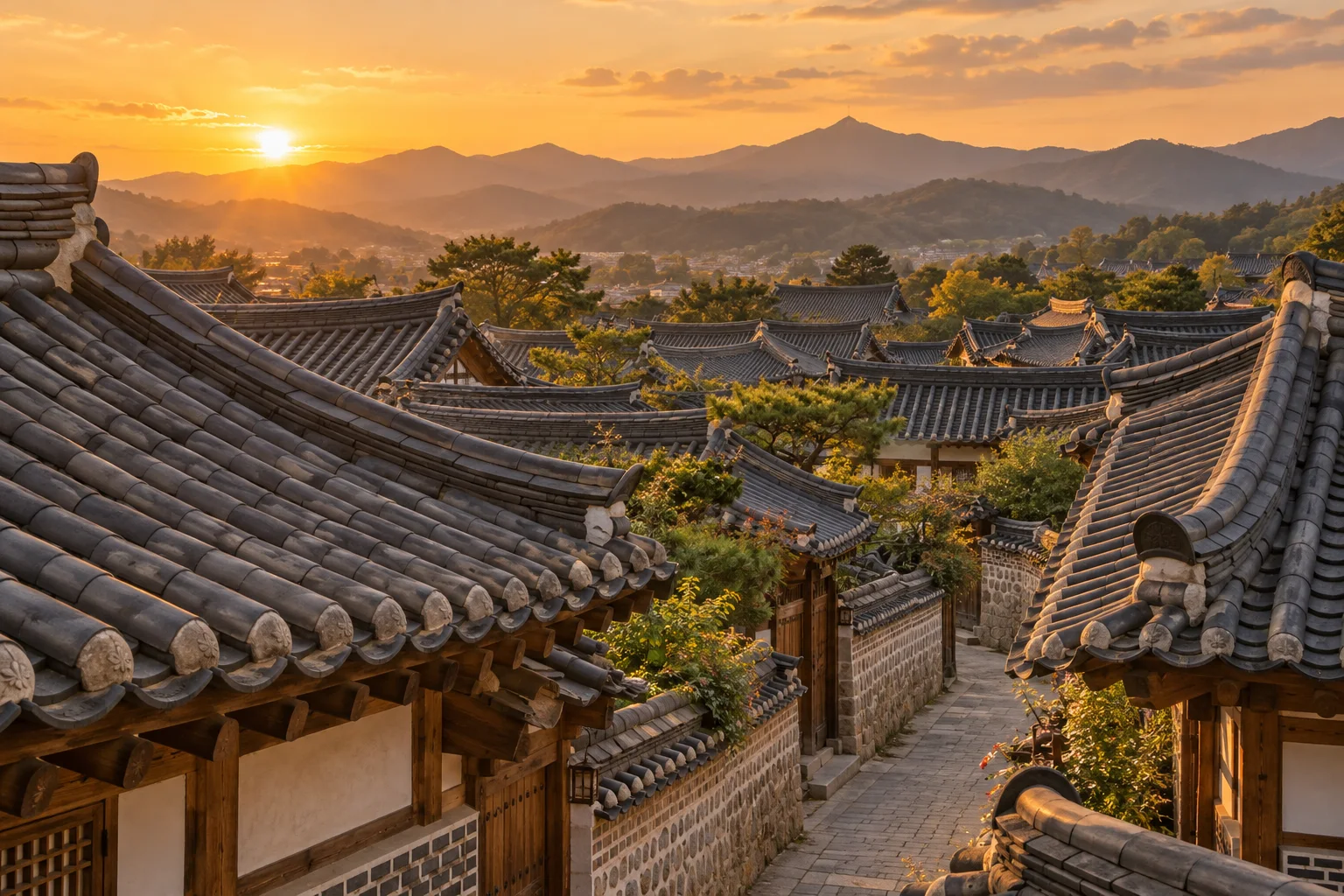
The official village history traces its development to around 1910. Preservation designation in 1977 and a repair-support ordinance in 2002 make conservation policy part of the story, alongside architecture. The official overview lists 298,260 m² and 947 buildings, including 735 hanok and 212 other buildings, but the reference year is unclear. Read these as context for a mixed built environment, not a precise current count.
Things to know when planning
Suggested order: Gyeonggijeon Shrine → Royal Portrait Museum → Jeonju Hanok Village. This is an editorial proposal based on the museum’s location, not an official tour or a verified timetable. Check each venue’s opening status, admission conditions and exhibition notices, then map the actual entrances and walking route. The village website has parking, shuttle, facilities and guided-tour menus. A menu does not confirm service or booking availability on your travel date.
Questions before visiting
How do Gyeonggijeon Shrine and the Royal Portrait Museum in Jeonju differ?
Gyeonggijeon Shrine offers the setting where Taejo’s portrait was enshrined and the history of the Jeonju archive, while the museum within its grounds focuses on royal portraits, rituals and palanquins. Combining them is this article’s suggestion for connecting the history of the site with its exhibitions.
Were all the royal portraits at Jeonju’s Royal Portrait Museum painted directly from life?
No. Jeonju City’s guide describes Sejong’s and Jeongjo’s portraits as imagined likenesses, and Gojong’s and Sunjong’s as copies based on photographs. Compare how the images were created, not just the faces they depict.
Does Jeonju Hanok Village date from the same early Joseon period as Gyeonggijeon Shrine?
Treating them as places from the same period obscures their differences. Gyeonggijeon Shrine was established in 1410, whereas the official village guide dates the settlement’s beginnings to around 1910, followed by preservation designation in 1977 and a support ordinance in 2002. Walking from the shrine into the alleys shifts the focus from dynastic history to modern housing and preservation.