
Where 『Jikji』 Was Printed: A Walk Through Heungdeoksa Temple Site and the Cheongju Early Printing Museum
To explore how Jikji was made rather than see the surviving book, combine the Cheongju Early Printing Museum with Heungdeoksa Temple Site. Learn about printing at the museum, then visit the place of publication; add the Metal Type Training Center only when demonstration times or workshop reservations fit.
Introduction
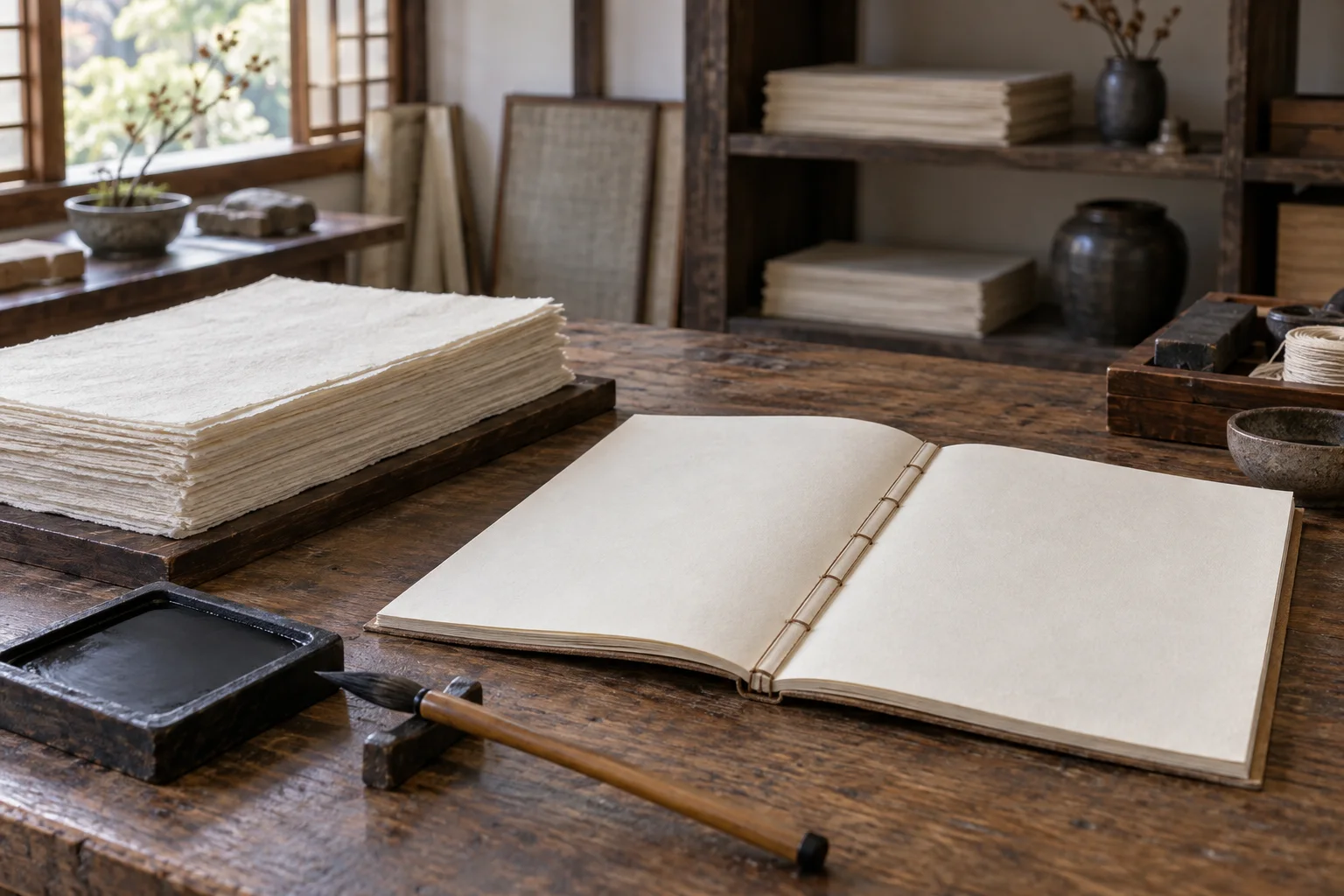
It is rare for the story of a single book to become a city's identity. In Cheongju it happened. 『Baegun hwasang chorok buljo jikji simche yojeol』, shortened to 『Jikji』, was printed with metal type at the temple Heungdeoksa in Cheongju in 1377. It is known as the oldest surviving metal-type book in the world and was inscribed on UNESCO's Memory of the World Register in 2001. Yet the book itself is not in Cheongju. It is held in the Oriental Manuscripts department of the National Library of France. So what you can do in Cheongju is less about looking at the book and more about following the context in which it was made. This route traces that context in the order of museum, temple site and type workshop.
Only the lower volume of the 1377 metal-type edition survives; the upper volume is not extant. The lower volume is held at the National Library of France.
Suggested route
1. Cheongju Early Printing Museum: first learn about 『Jikji』 and the development of Korean printing culture. 2. Heungdeoksa Temple Site: check the museum's explanation at the temple site where 『Jikji』 was printed. 3. Metal Type Training Center: an optional stop to add on a day when demonstration and workshop schedules fit.
1. Cheongju Early Printing Museum
The museum centers on the 『Jikji』 and exhibits Goryeo metal-type printing and materials related to Heungdeoksa, while introducing traditional printing culture from Goryeo woodblock printing to the end of the nineteenth century. The Korea Tourism Organization listing also describes a digital immersive hall for the 『Jikji』 with augmented-reality, motion-recognition and type-based media art experiences. The museum website says the exhibition halls 1 to 3 take about 1 hour 30 minutes to see. If you settle the meaning of the name 『Jikji』 here first, the open-air temple site becomes much more concrete. The book's central theme comes from the Seon phrase meaning that pointing directly at the human mind reveals one's nature, and the printing record preserves the names of Seokchan, Daljam and the nun Myodeok, who made the donation.
2. Heungdeoksa Temple Site
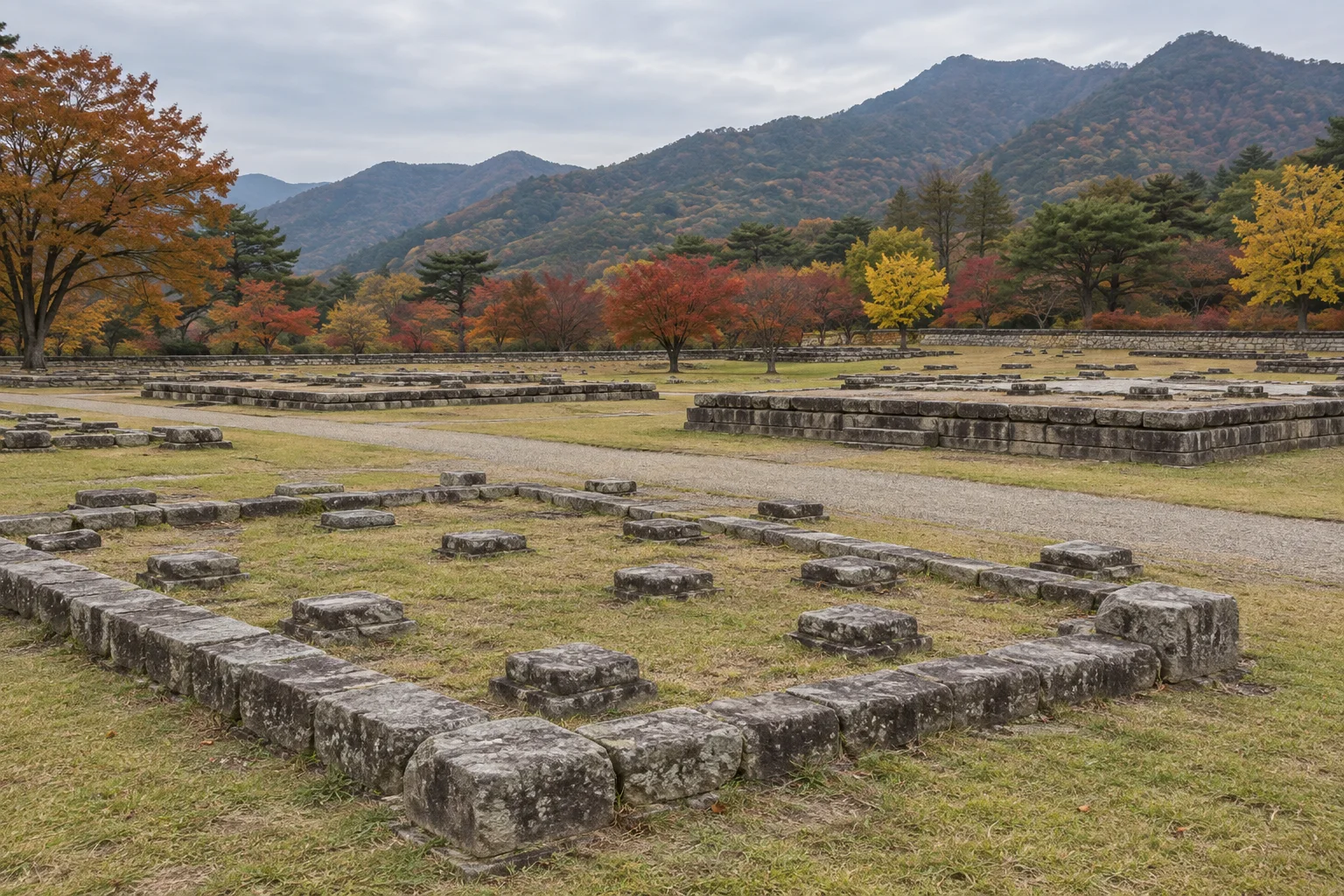
Heungdeoksa Temple Site lies in Uncheon-dong, Heungdeok-gu, Cheongju, and was designated Historic Site No. 315 on 7 May 1986. Excavation in 1985 identified the sites of the main hall, lecture hall, pagoda and part of the corridors, and a bronze ritual-gong fragment inscribed with the temple's name revealed what the temple was called. Roof tiles inscribed with the year Daejung 3 suggest it was built no later than the ninth century and continued into the late Goryeo period. What you see now is a reconstruction of the main hall and the three-story pagoda based on the excavation results. So rather than imagining original buildings still standing, it is more accurate to read the scene as ground and reconstruction layered together. The National Heritage digital service likewise describes the site as the place where the oldest surviving metal-type book, 『Jikji simche yojeol』, was printed. The Cheongju city guide says the site is open year-round at all hours.
3. Metal Type Training Center
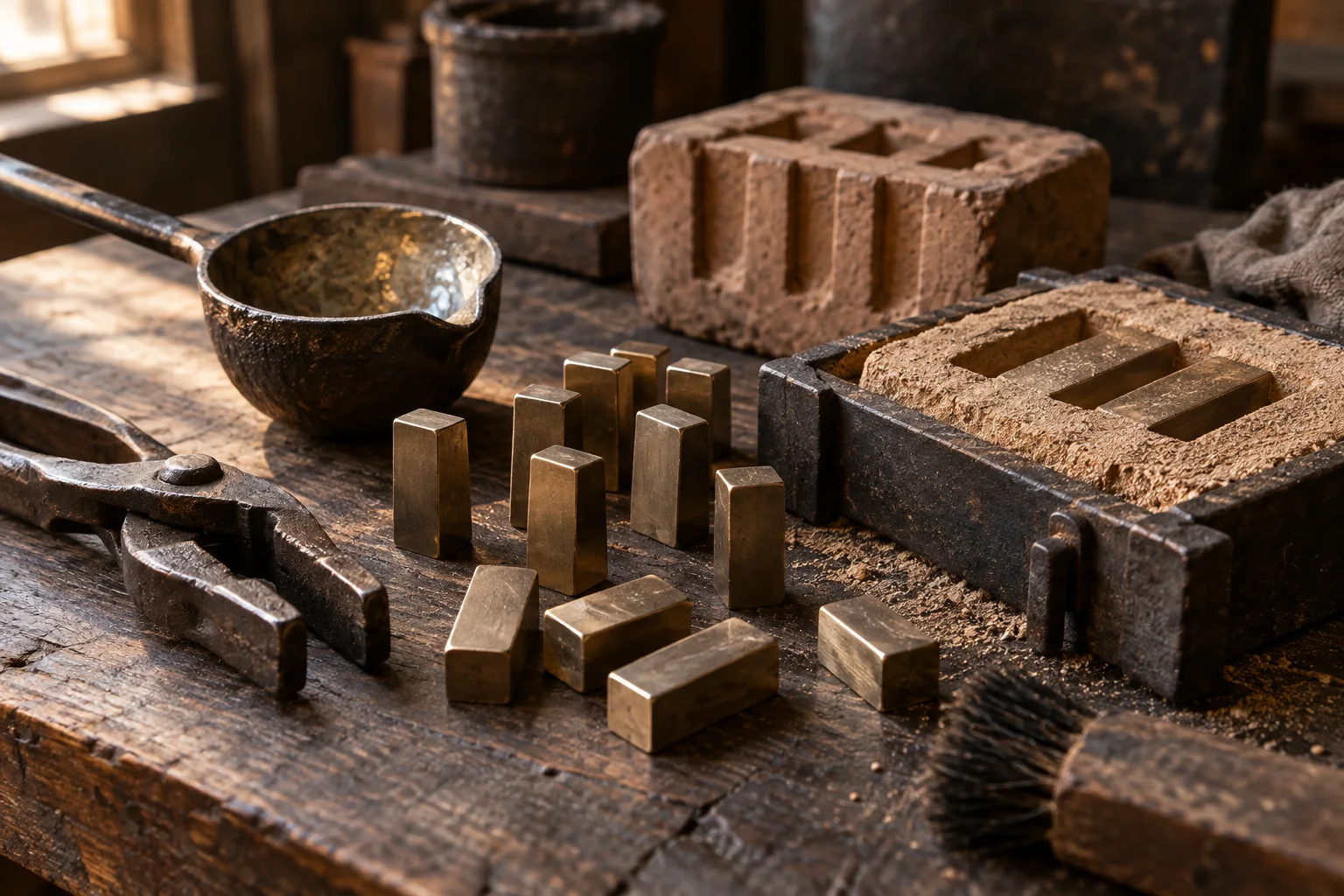
According to the operating notice on the museum website, the Metal Type Training Center holds metal-type casting demonstrations every Friday, Saturday and Sunday at 10:00, 13:30 and 15:00. Workshops on making old-style books, bamboo slips, printing and papermaking carry no participation fee, with materials charged separately, and require advance reservations. Because this notice appears on the website's front page, it is safest to confirm the schedule again on the same site or by phone before you go. Watching type being made by hand rather than behind exhibition glass gives a tangible dimension to what you read at the first two stops. On days when the demonstration schedule does not fit, you can skip this stop without breaking the route.
Before you go
According to the museum website, visiting hours are 9:00 to 18:00 and the museum is closed every Monday and on 1 January. The website and the Korea Tourism Organization listing give conflicting information about opening on Lunar New Year’s Day and Chuseok, so check the notices before a holiday. The Korea Tourism Organization listing shows admission as free and notes an entrance without steps, accessible parking, a nursing room on the second floor and a voice-guide app. Heungdeoksa Temple Site and the museum are both listed at the address Jikji-daero 713. Check the entrance and walking route on a map for the day of your visit and adjust the order.
Closing
The museum’s estimate of about 1 hour 30 minutes applies to exhibition halls 1–3, not this entire route. Allow separately for the temple site, transfers and any demonstration or workshop. The listed step-free museum entrance does not establish accessibility along the whole route.
Questions before visiting
Can I see the surviving Jikji at the Cheongju Early Printing Museum?
The existing guide places the surviving book in the National Library of France. Plan the museum visit around Jikji, Goryeo metal-type printing and Heungdeoksa materials that explain its production, rather than around seeing that book itself.
What should I focus on at Heungdeoksa Temple Site: old buildings or excavation remains?
Distinguish the excavated building sites from the main hall and three-story stone pagoda reconstructed from the findings. This visit suits an interest in understanding where Jikji was printed through remains and reconstruction, rather than expecting an intact old temple.
How should I choose between a demonstration and a workshop at the Metal Type Training Center?
For watching the process, plan around casting demonstrations; for hands-on participation, allow for advance reservation and a separate materials charge. The existing notice's reservation requirement concerns workshops and cannot automatically be extended to demonstrations. If the demonstration schedule does not fit, the museum and temple site still form a route.