
Gwandeokjeong and Jeju-mok Government Office: A Treasure Building and Its Wider Site
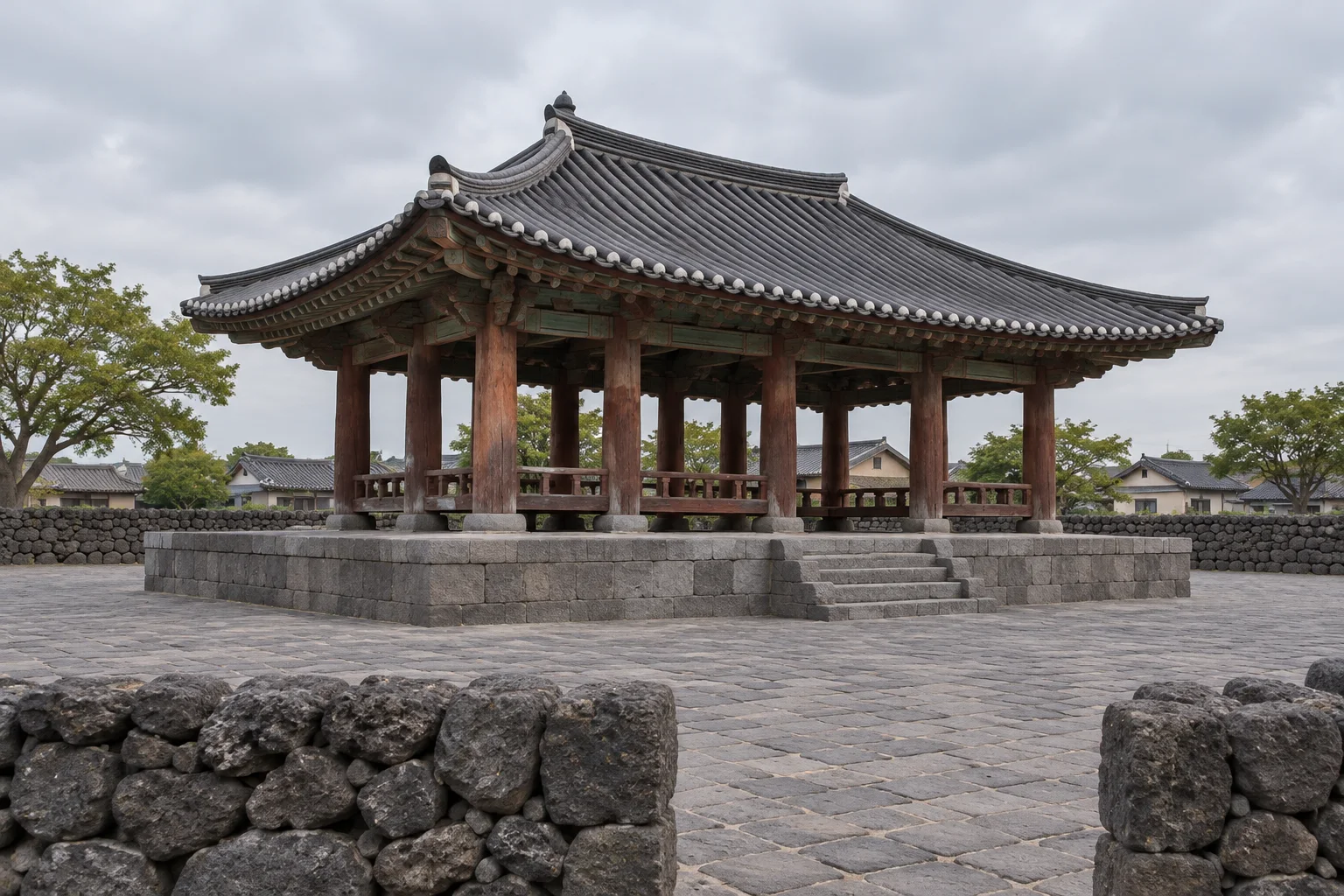
Visit Gwandeokjeong Hall and Jeju-mok Government Office together to distinguish a single building from the wider administrative space. The hall is a Treasure pavilion and the government-office grounds are a Historic Site; the main office facilities occupied an area that included the hall.
Introduction
In Samdo 2-dong, Jeju City, pairing Gwandeokjeong Hall with Jeju-mok Government Office shifts the focus from the form of one building to the island’s administrative centre. Their addresses are 19 and 25, Gwandeok-ro respectively. The suggested order follows their historical relationship; actual entrances and walking routes still need checking for your visit.
Suggested route
1. Gwandeokjeong Hall 2. Jeju-mok Government Office
If you first check the building and its designation details at Gwandeokjeong and then move on to Jeju-mok Government Office, the scale of the site and the excavation story come across more concretely. Check the entrances and walking routes on a map on the day of your visit and adjust the order.
First stop: Gwandeokjeong Hall
The National Heritage Portal classifies it as a Treasure and gives the English name as Gwandeokjeong Hall, Jeju. It was designated on 21 January 1963, dates to the late Joseon period, counts as one building, and is of the pavilion type (nujeong). Its location is 19, Gwandeok-ro (Samdo 2-dong), Jeju City; it is state-owned and managed by Jeju City, the portal states.
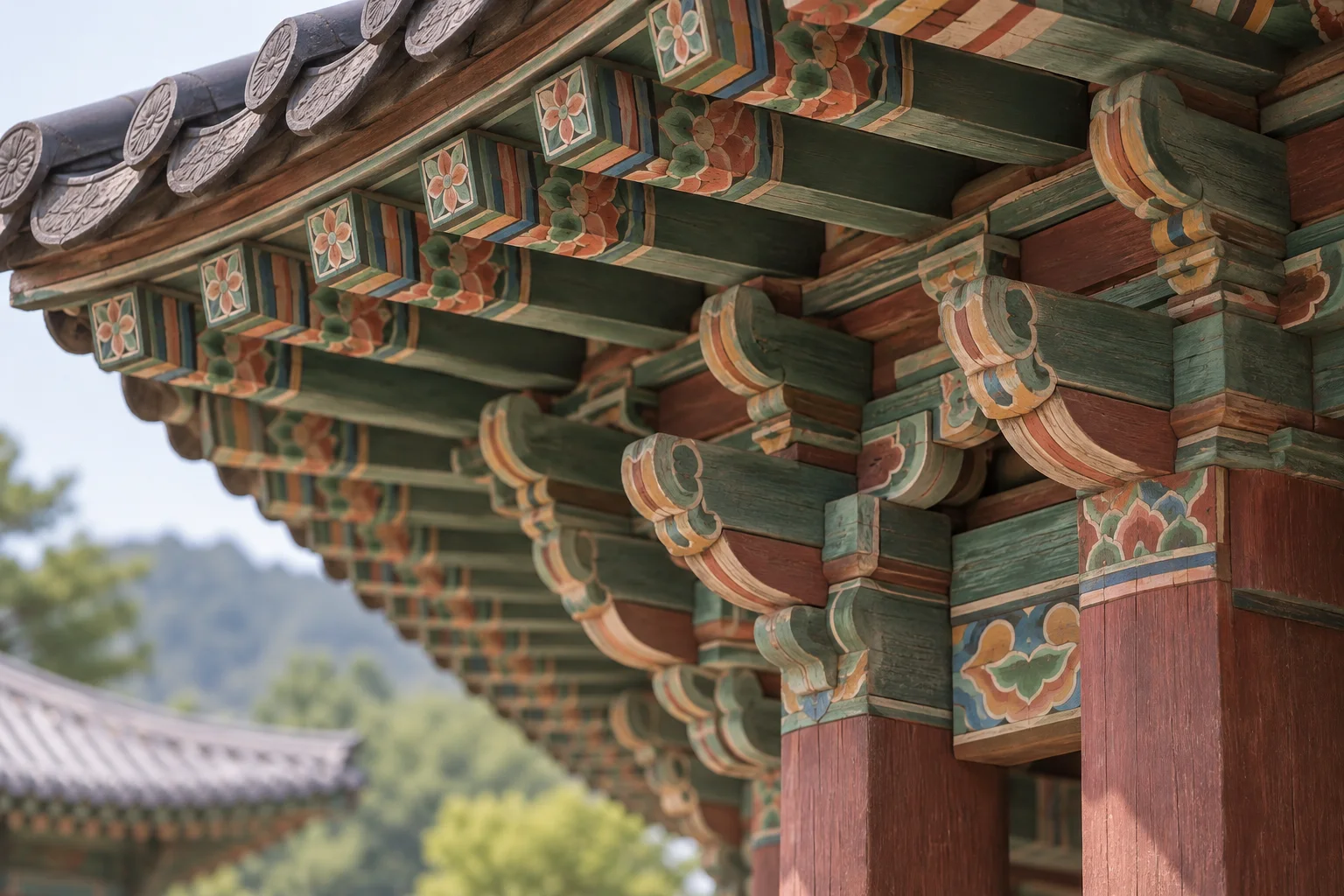
The data alone are brief, but what sets Gwandeokjeong apart from other pavilions is its position. According to the Jeju tourism guide, the main facilities of Jeju-mok Government Office stood in the area that included it. So this building should be understood not as a pavilion standing alone but as part of a government-office precinct. The first step on this route is to stand before Gwandeokjeong, look up at the building, and imagine what facilities extended behind and around it.
Second stop: Jeju-mok Government Office
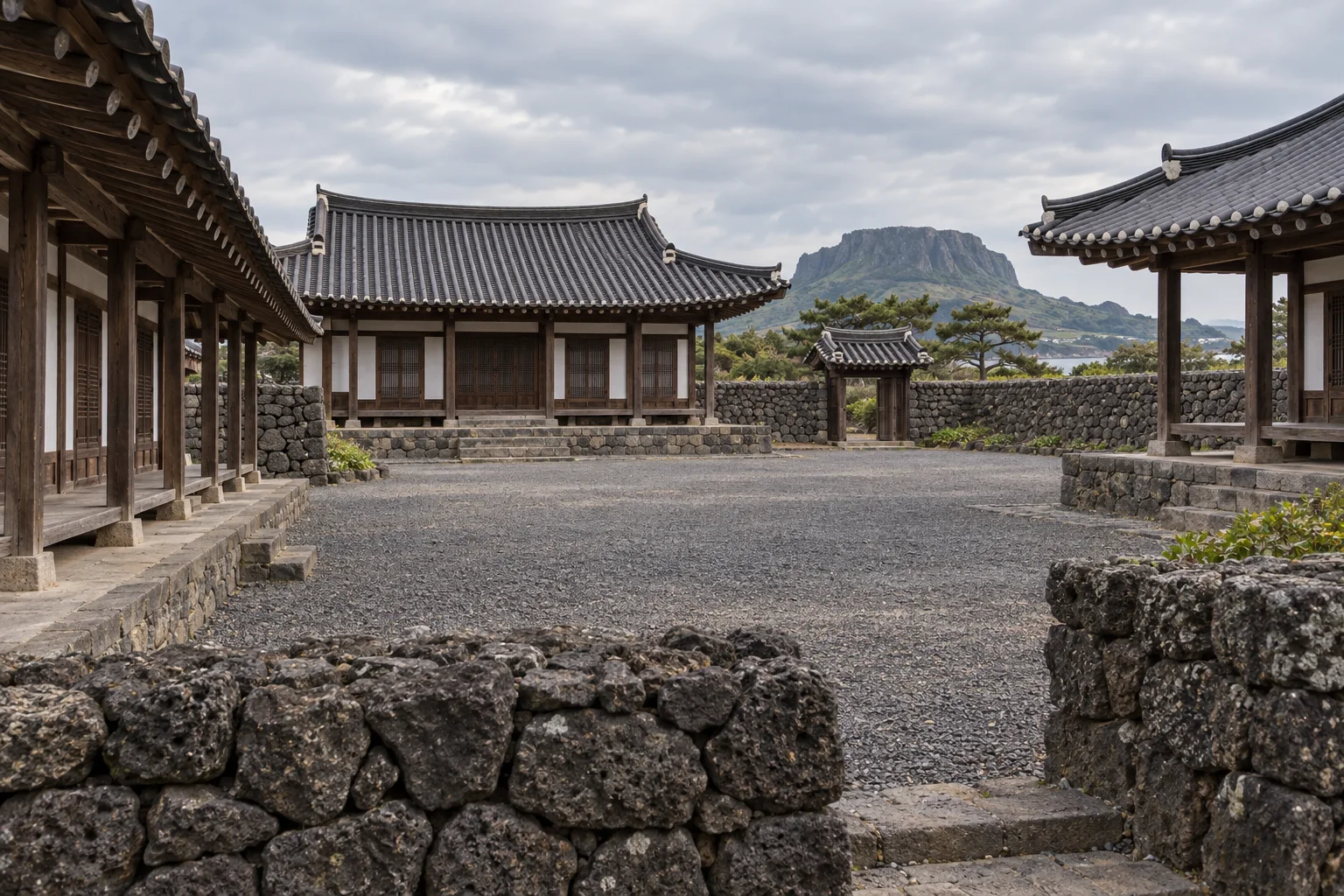
The National Heritage Portal classifies Jeju-mok Government Office as a Historic Site, with the English name Jeju-mok Government Office. Its area is recorded as 26,660 ㎡, its designation date as March 1993, and it is managed by Jeju City. Visit Jeju introduces it as the Joseon-era government office of Jeju Island, a place that served as the hub of Jeju's administration from the Tamna kingdom through the Joseon period.
The story of this place began underground. Four rounds of excavation from 1991 to 1998 confirmed traces of some thirty buildings, including Honghwagak, Yeonhuigak, Gyullimdang and Yeongjuhyeopdang, the central buildings that appear in the written records. When you walk the site, it is worth remembering that long-ago layers lie beneath your feet. The same guide also carries information on the culture and tourism interpreter service, so if you want to hear an explanation you can check how to reserve in advance.
Separate designation records from excavation evidence
The Treasure listing for Gwandeokjeong describes one pavilion; the Historic Site listing for Jeju-mok Government Office describes 26,660 m² of grounds. These records concern different scales, so building counts and site area should not be treated as equivalent measures of a visit. The description of an administrative centre since Tamna concerns the history of the place, not a claim that every building there today survives from Tamna.
Things to know when planning
Opening hours, interpreter hours and admission conditions can change, so check the Visit Jeju page and on-site notices again just before you go. The guide for Jeju-mok Government Office introduces how to use the culture and tourism interpreter separately, so visitors who care more about context than about buildings may want to consider it. Gwandeokjeong and Jeju-mok Government Office are close by address, but check the actual entrances and walking routes on a map, and feel free to change the order in this article to suit the day of your visit.
Choose a focus before setting your order. Start with Gwandeokjeong if you want to examine a single building and its designation; include Jeju-mok Government Office if you are interested in the administrative space and its excavations. If you want a guided explanation, check admission conditions separately from guide booking. A guide-service listing does not establish that every visit requires a reservation or that your preferred language is available.
Closing
Look at the individual building at Gwandeokjeong and its administrative setting at Jeju-mok Government Office. Distinguishing excavated traces from what is currently reconstructed or open keeps the visit focused on Jeju’s administrative history rather than a building count.
Questions before your visit
Do the two places have unrelated histories?
No. The main government-office facilities occupied an area including Gwandeokjeong, so it helps to view the building in relation to the surrounding administrative space.
What period does Gwandeokjeong Hall date from?
The National Heritage Portal dates the hall to the late Joseon period. 21 January 1963 is its Treasure designation date, not its construction year.
How can visitors understand the former offices at Jeju-mok Government Office?
Use the excavated building traces to consider the scale of the administrative complex. Four excavations in 1991–1998 confirmed traces of some thirty buildings, not a count of buildings currently restored or open.