
Incheon’s Jemulpo-gu: the changing uses of a bank and port warehouses
To explore changing building uses in the open-port district, start with the street context on Gaehangnuri-gil, then compare Incheon Open Port Museum and Incheon Art Platform. The former bank focuses attention on records of the port-opening era, while the converted warehouse arts space offers a view of creative activity today.
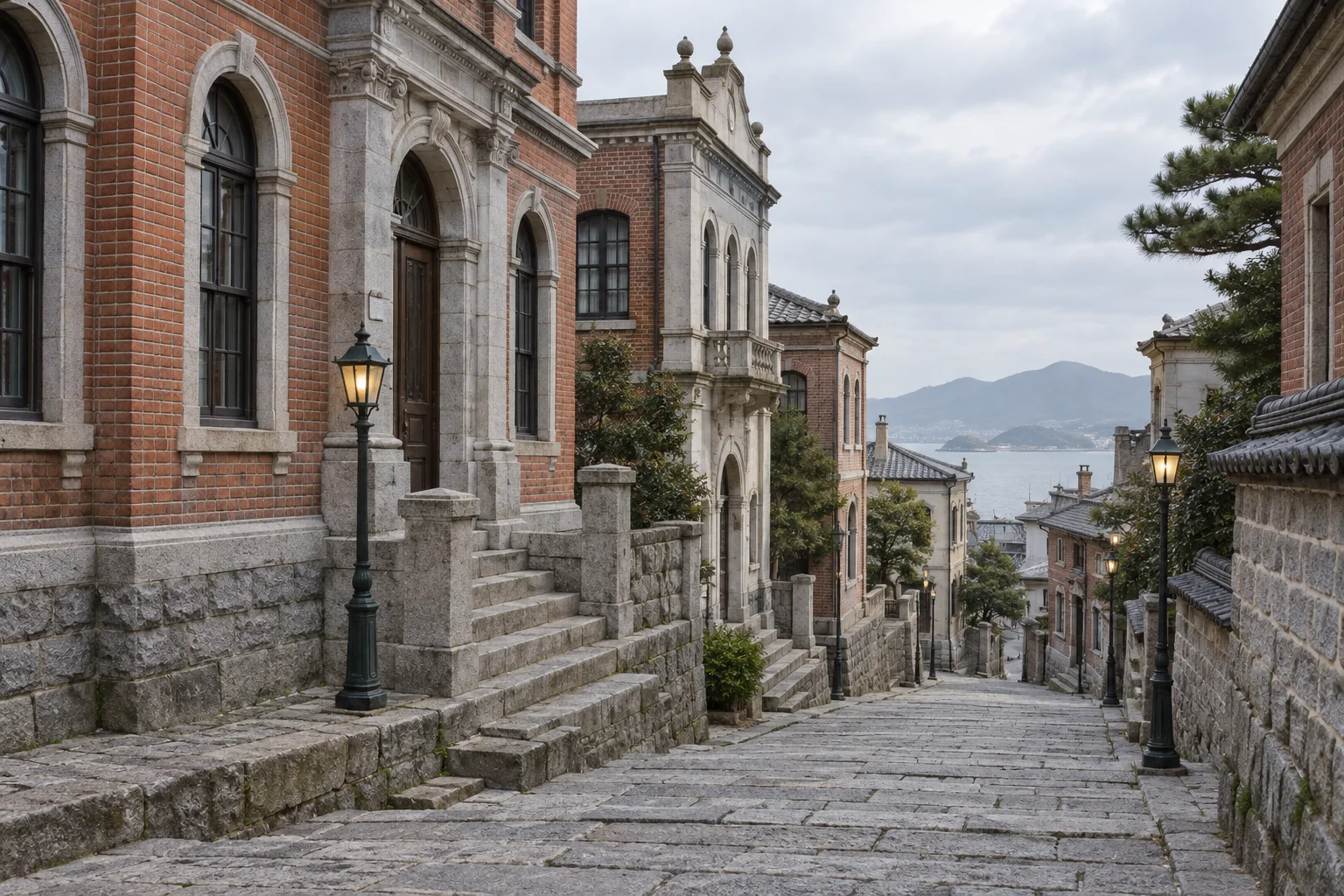
Introduction: Start at a Port of 130 Years Ago
Incheon has an open-port cultural district that preserves more than 130 years of modern history and culture since the port opened in 1883. Official tourism information gives the address of this area as Jemulpo-gu, Incheon Metropolitan City, and the introduction to this year's Open Port Cultural Heritage Night also mentions the launch of Jemulpo-gu. Old place names and the new administrative name overlap here, but the story told by the buildings left along the street is clear.
After the port opened and foreign trade became active, concession areas for Japan, Qing China and other countries formed across what is now the Jemulpo-gu area, and the first modern-style park, bank and hotel buildings were also built. This course focuses on "buildings whose use has changed". By following how a bank building became a museum and a harbor warehouse became a workspace for artists, we look at how the open-port district does not stay in the past but continues into the present.
Suggested Route
- Open Port Street (Gaehangnuri-gil): first read the background of the concession boundaries and modern architecture. - Incheon Open Port Museum: explore Incheon in the port-opening era in a building constructed in 1899 as a bank branch. - Incheon Art Platform: see today's creative site, converted from a warehouse into a cultural and arts space.
This order is a proposal arranged along the cultural flow, not a verified walking itinerary. Check the entrances and walking route on a map on the day of your visit and adjust the order.
1. Open Port Street: Reading the Concession Boundary Through Stairs and Buildings
The Incheon Gaehangnuri-gil is a path that preserves the scenery of the late 1800s open-port period. Walking it, you can meet a range of modern cultural heritage, from the stairs marking the boundary between the Qing and Japanese concessions to the Western-style buildings erected at the time. The usage information on Incheon Tour lists the path as open at all times with no regular closing day, and says the main entrance has no step, so wheelchair access is possible.
One way to understand the path in a single visit is to reserve a commentary by an Incheon cultural tourism guide. Nearby are Chinatown, historically home to Chinese residents, and the Jajangmyeon Museum in the former Gonghwachun restaurant, described by the source as Korea’s first Chinese restaurant. If you take in the terrain of the concession and the atmosphere of the architecture on this street before entering the museum, the exhibits will take on greater depth.
2. Incheon Open Port Museum: A Building Whose Vault Became an Exhibition Room
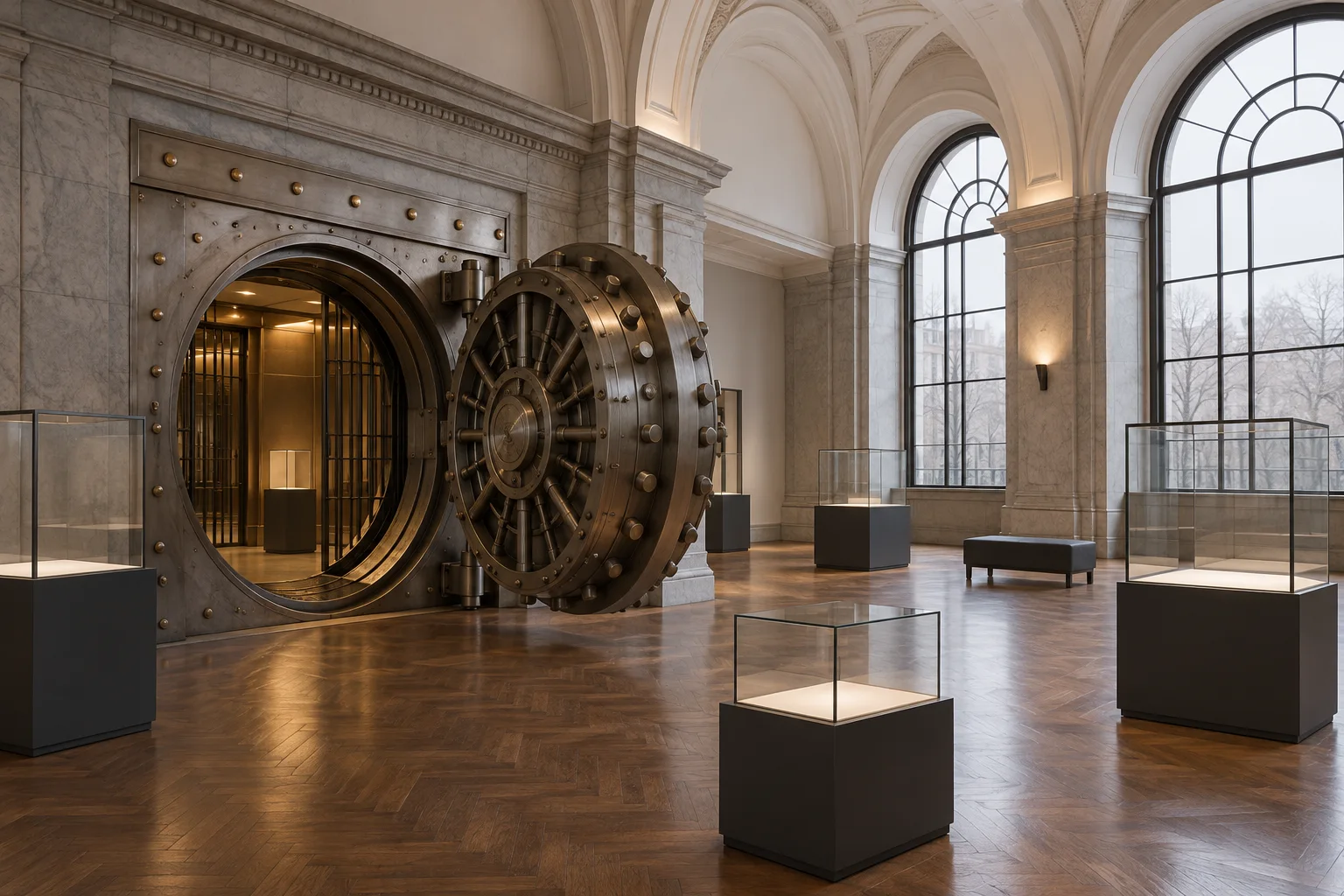
The building housing the Incheon Open Port Museum was built in 1899 as a branch of the former Japanese First Bank in Incheon. It later served as the Incheon branch of Chosun Bank and of the Bank of Korea, and after passing through use as a registry office of the Incheon District Court and a permanent clothing store, it opened as a museum in 2010. The history of one building changing its face several times is itself like a timetable of the open-port district.
The museum covers, in four permanent exhibition rooms, Incheon's opening and modern artifacts, the Gyeongin Railway and Korean railway history, scenes of Incheon in the open-port period, and the Incheon mint and financial institutions. In Exhibition Room 1, the main room, a Taegukgi that once flew on the Korean Empire's patrol ship Gwangjeho is displayed, and the space that was a vault in the bank days is used as an exhibition room. The special exhibition room in the neighboring building changes its exhibitions by period, so you should check what is on before visiting. The guide says the main entrance allows wheelchair passage and staff are stationed there.
3. Incheon Art Platform: A Warehouse Becomes a Creative Site
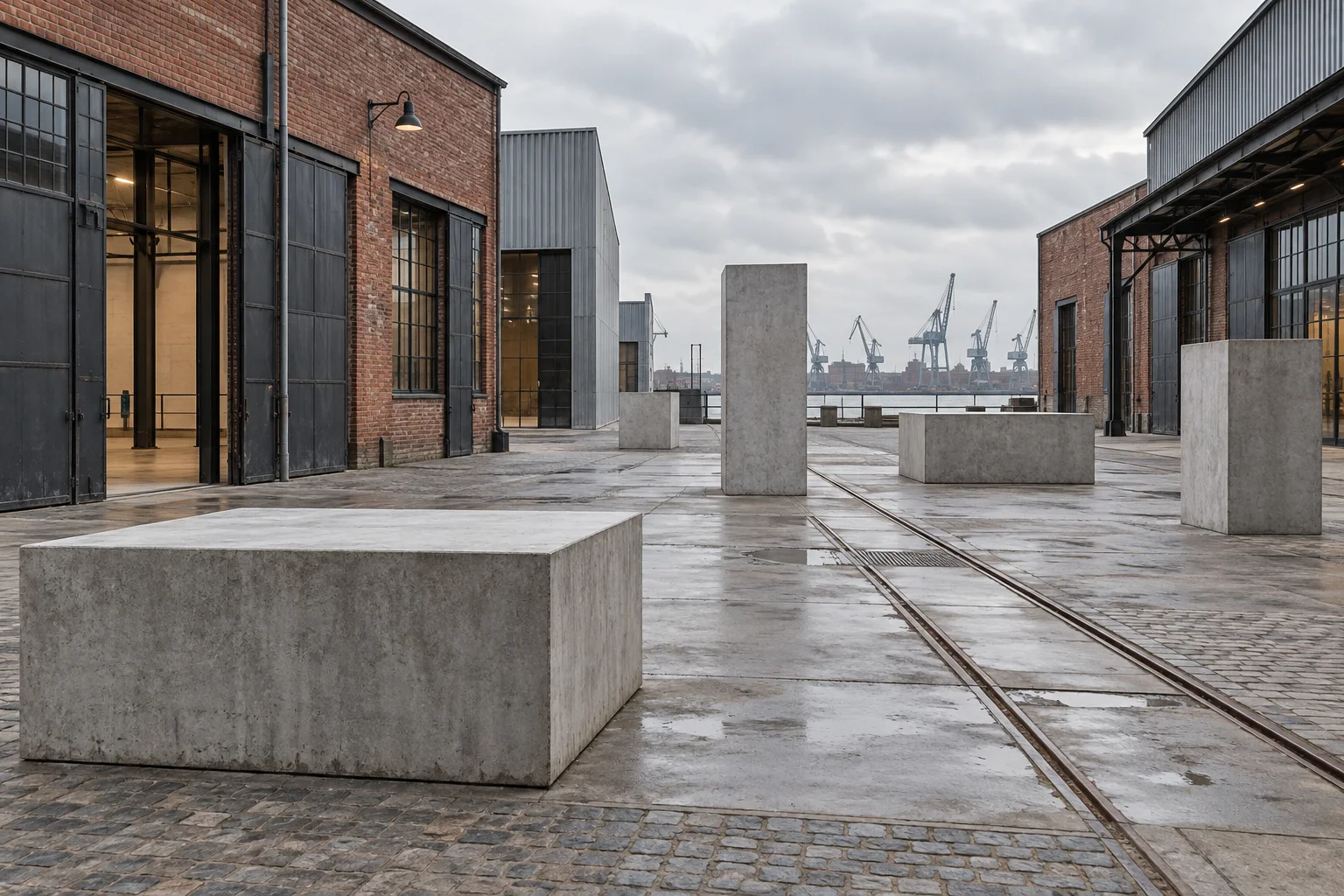
The introduction to the Open Port Street names the Incheon Art Platform as a place reborn from a goods warehouse of Incheon Port into a cultural and arts space. The operator is the Incheon Foundation for Arts and Culture, and the official website gives the address as 3, Jemullyang-ro 218beon-gil, Jemulpo-gu, Incheon. If the museum before it shows the records of the open-port era, this is where you see what artists are making now in this port city.
According to its introduction of the art creation space, the Incheon Art Platform provides creative environments to artists and curators from Korea and abroad, offers lectures, research tours, critique programs and opportunities to present work as exhibitions, performances and showcases, and selects resident artists through an annual open call. As of the checked date, the website listed the curated solo exhibition 《Hwahaegi: Reconciling with the Sea》 by the artist selected as Incheon’s visual artist of the year. Exhibition dates and operating status must be checked again before your visit.
When Planning Your Visit
The Incheon Tour page for the Incheon Open Port Museum lists every Monday, January 1, and the Lunar New Year and Chuseok holidays as closing days. However, this is data provided by the Korea Tourism Organization, so it is safer to confirm operating hours and admission fees with the operating institution just before you go. Parking is stated to be unavailable at the Open Port Street, so plan around public transport.
An accessible entrance is not a verified route
The wheelchair information for the main entrances to Gaehangnuri-gil and the museum does not establish step-free access along the whole course. Check the street sections with stairs and the connections between venues separately. If you plan to see exhibitions, distinguish the street’s round-the-clock access from the opening arrangements of indoor venues.
Questions before your visit
Should I start with Incheon Open Port Museum or Incheon Art Platform?
Put the museum first if you want to understand records of the port-opening era. Exploring the Art Platform’s creative role afterwards allows a comparison between historical records and present-day reuse; this is a cultural sequence, not a verified walking route.
What should I notice about the Incheon Open Port Museum building beyond its exhibits?
Look at how the former bank vault is used as an exhibition room. Comparing the building’s former purpose with its display function makes the building itself part of the visit, alongside the historical material it holds.
Is Incheon Art Platform only about old warehouse architecture?
It also provides creative environments and presentation opportunities for artists and curators. Consider its exhibitions, performances and showcases, without treating these roles as a guarantee of a particular program or unrestricted studio access on your visit date.