
From Dongmyeong-dong to Asia Culture Center in Gwangju's Dong-gu: A Walk Linking Alleys, an Old Railway Bed and a Plaza
To combine Dongmyeong-dong’s café street with Gwangju’s history and culture, consider continuing via Pureungil Road to Asia Culture Center. This links the reuse of a railway with a cultural space rooted in the human rights and peace values of May 18; it does not require walking the entire trail.
Introduction
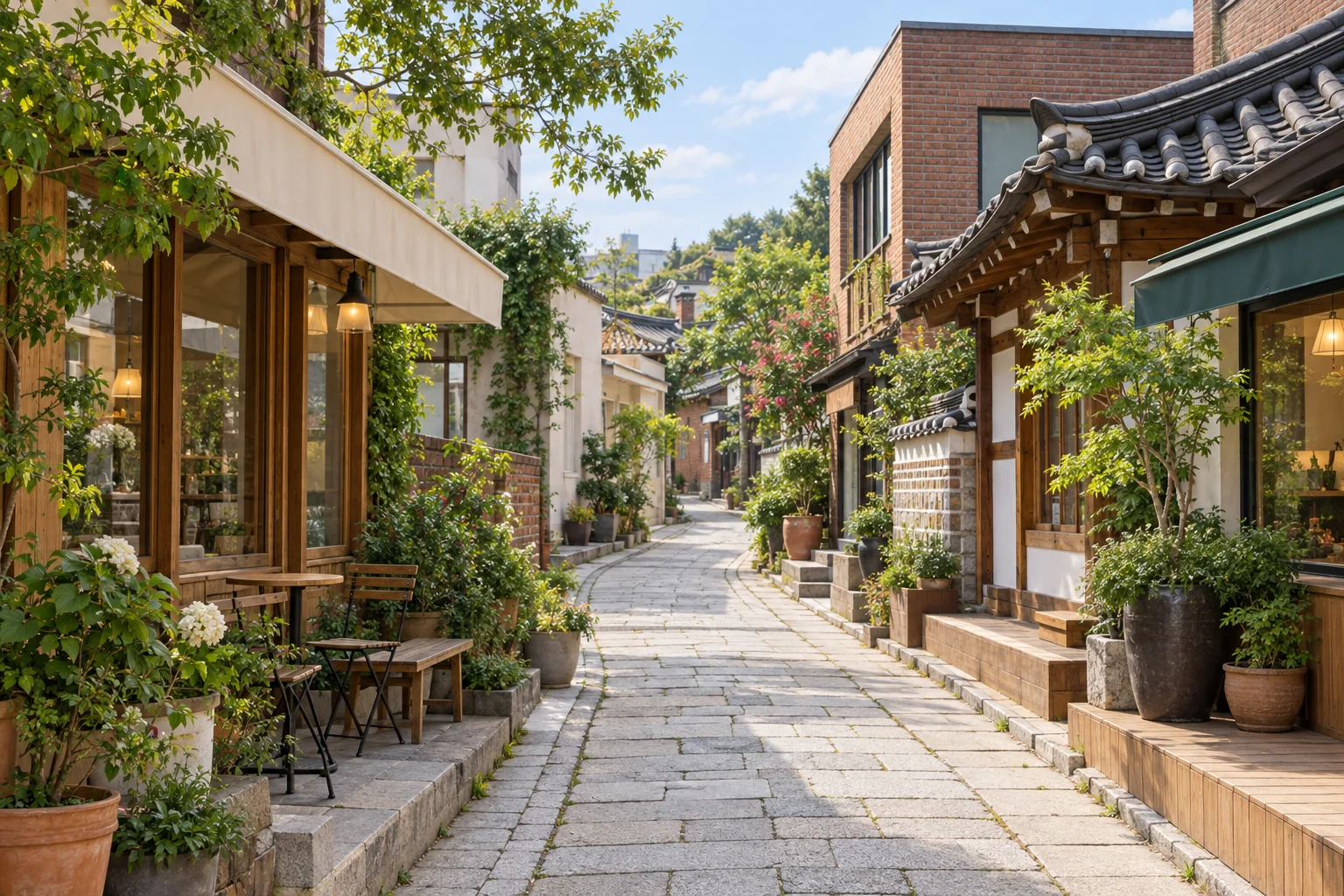
Dongmyeong-dong in Gwangju's Dong-gu is introduced as a neighborhood where forest paths, cozy alleys and a café street exist side by side. It has cafés and bookshops in renovated old hanok, and it is said to have been called 'Dongmunoeri' and 'Dongbakke' because it lay outside the east gate of the old Gwangju town wall. This course starts in that neighborhood, follows a walking path that was once a railway, and ends at Asia Culture Center, where the city’s history unfolds in layers. Rather than trying to see everything in one day, take time to notice and compare the character of these three places.
Suggested order
We suggest the order Dongmyeong-dong café street, Pureungil Road, then Asia Culture Center. The Korea Tourism Organization's travel article also writes that once you leave Dongmyeong-dong, your steps lead naturally to Asia Culture Center. This is only a proposal, so check the entrances and walking routes on a map on the day of your visit and adjust the order.
1. Dongmyeong-dong Café Street
Dongmyeong-dong was divided into an upper and a lower village by the Donggyecheon, and the upper village, where the residences of prominent figures once stood, is today's café street. It was once famous as a cram-school district with many cafés where parents waited, and in recent years cultural spaces and distinctive cafés have opened, making it a favorite of younger visitors. It has earned the nickname 'Dongridan-gil', after Seoul's Gyeongridan-gil, and it is said to have more individual shops than familiar large franchise cafés. The Dong-gu Culture and Tourism Foundation website also carries an event notice titled 'A monthly musical walk through Dongmyeong-dong', which suggests the neighborhood serves as a stage for cultural programs. Events change from season to season, so it is wise to confirm beforehand whether one is running.
2. Pureungil Road
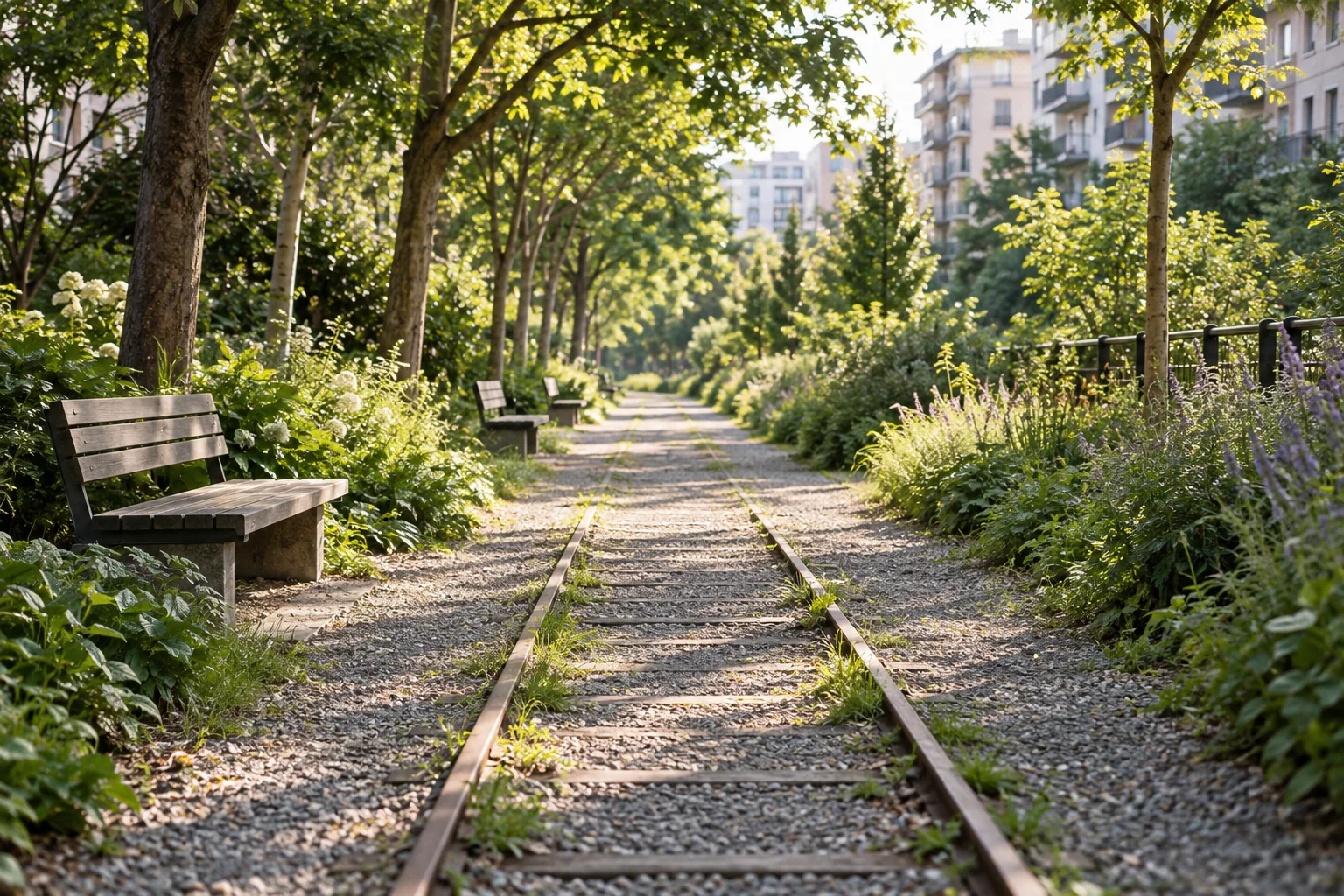
Pureungil Road is a walking trail created through a citizen-led effort to repurpose the disused Gyeongjeon railway, and it runs for nearly 8 km from Gwangju Station to the Gwangjucheon stream. Dongmyeong-dong and Sansu-dong lie at the center of the path, and street architecture called 'Gwangju Folly', connected to daily life, is placed here and there like small commas. The Nongjangdari is a bridge that inmates of the nearby Gwangju prison crossed on their way to farm labor until the 1960s, and it has been reborn as a folly work called 'Pureungil Munhwasaemteo'. Unlike the bustle of the café street, this stretch has a quiet mood that invites a slower pace. However, the article cited contains information updated in February 2019, so the current operation of individual shops and follies must be checked separately.
3. Asia Culture Center
Asia Culture Center opened in November 2015, with a mission to express through art the values of human rights and peace associated with the May 18 Democratic Movement. It consists of five institutes: the democracy and peace exchange institute, cultural information institute, cultural creation institute, arts theater and children’s culture institute, and outdoor spaces such as the Asian Culture Plaza and Haneulmadang, as well as a ground-level garden themed 'Forest of Light', are introduced as places of rest in the city center.
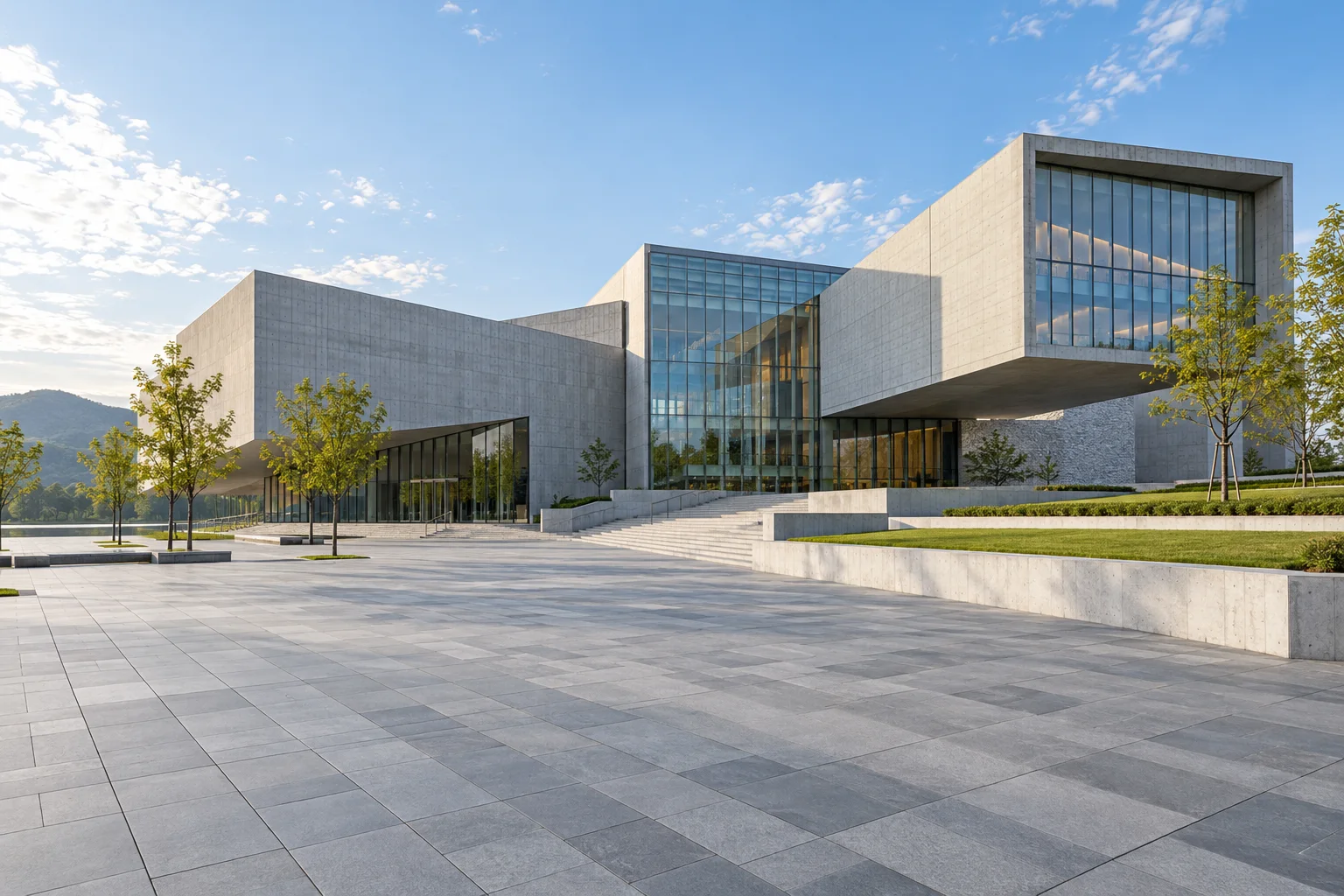
One place worth noting is the democracy and peace exchange institute on the site of the former Jeollanam-do provincial office. The ACC website states that it formally opened in May 2026 and is in operation. The areas open to visitors and the programs may differ from day to day, so check exhibition schedules and closing days on the official website. The address of the ACC is 38, Munhwajeondang-ro, and the guidance for public transport is to use exit 5 or 6 of Munhwajeondang subway station.
Planning notes
The operating information confirmed for this course is limited. Check the ACC's closing days and visiting hours and how visitors can see the democracy and peace exchange institute against the official guidance just before you go. Shops in Dongmyeong-dong keep their own hours, and it is safer to decide on a map app which section of the Pureungil Road you will walk. This article gives no walking times or distances.
Closing
The private alleys of Dongmyeong-dong, the walking path on a former railway, and the cultural institution that holds the memory of the old provincial office are all in Gwangju's Dong-gu, yet each shows the city at a different speed. We hope this gentle curve, beginning in a café and ending in a plaza, becomes a small entrance for reading Gwangju today.
Questions before visiting
Do I need to walk all of the nearly 8 km?
No. Nearly 8 km describes Pureungil Road from Gwangju Station to the Gwangjucheon stream, not the total length of this course. Choose the section linking your stops on a map.
How do the café street and Pureungil Road differ?
The café street reflects a residential and cram-school neighborhood becoming a cultural area; the trail shows citizens turning a disused railway into a walking path. Give more attention to the former for shops, or the latter for urban reuse.
What context adds to a walk around Asia Culture Center?
Its founding mission connects art with the human rights and peace values of the May 18 Democratic Movement. The democracy and peace exchange institute on the former provincial office site belongs in this context, although accessible areas and programs may vary on your visit date.