
A Walk Through Daejeon's Old Downtown: Modern Architecture and the Daeheung-dong Lanes
To explore city history, present-day culture and religious architecture in old downtown Daejeon, consider Daejeon Modern History Exhibition Hall, Daeheung-dong Culture and Arts Street and Daeheung-dong Catholic Church in that order. Compare a history exhibition in a former provincial office, a street of galleries and small theaters, and a modern reinterpretation of Gothic church architecture.
Introduction
On its tourism course "Walking the Modern Culture Route", the Jung-gu District Office introduces the former Chungnam Provincial Government building, the Daeheung-dong Culture and Arts Street and the Daeheung-dong Catholic Church in turn. This route brings together three places from that list to explore the city through its architecture.
Suggested route
We suggest this order: Daejeon Modern History Exhibition Hall, Daeheung-dong Culture and Arts Street, then Daeheung-dong Catholic Church. The idea is to grasp the broad outline of the city’s history in the exhibition first, then confirm its traces with your own eyes in the street and the church. Check the entrances and walking paths on a map on the day of your visit and adjust the order.
1. Daejeon Modern History Exhibition Hall
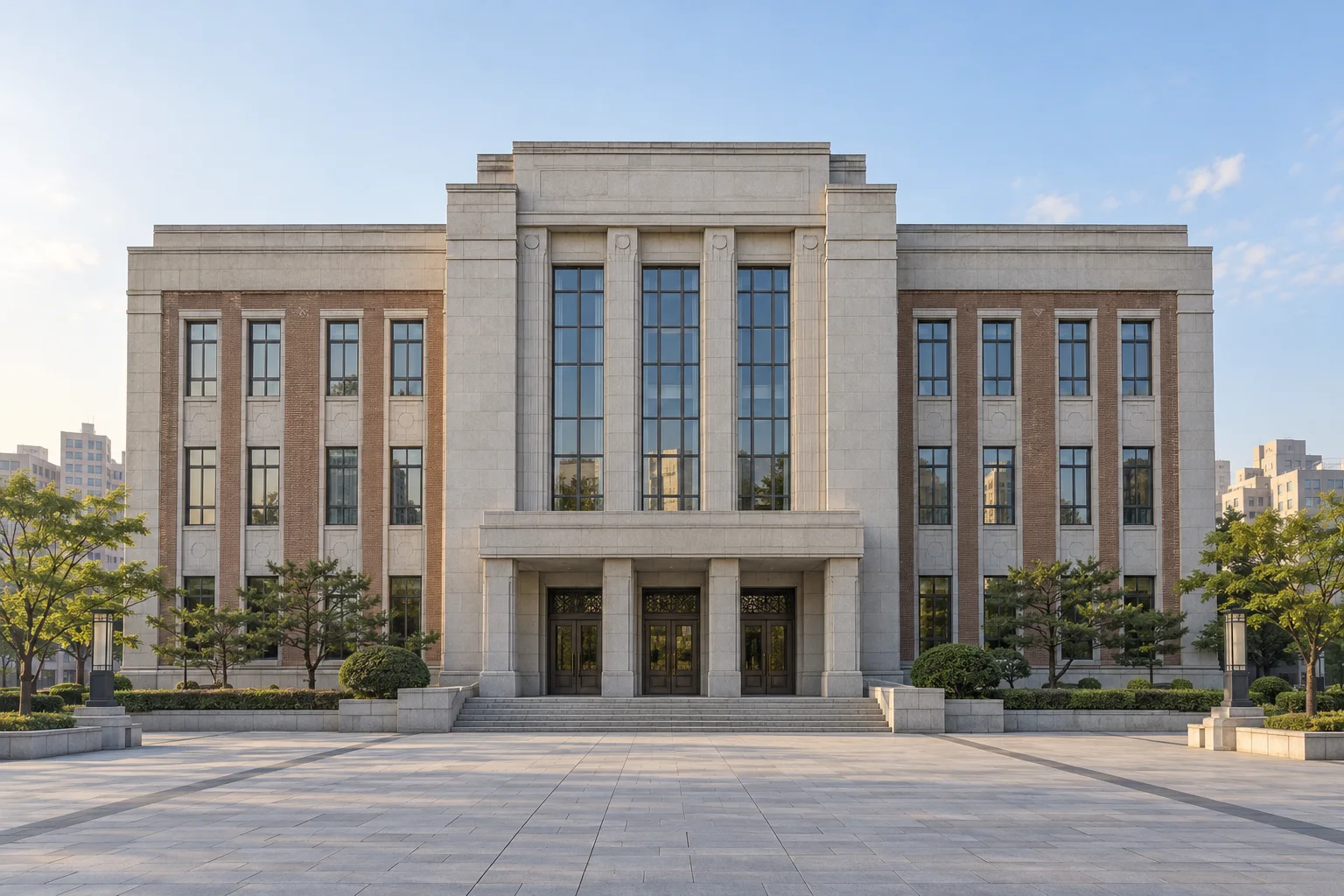
The Daejeon Modern History Exhibition Hall is run by the Daejeon municipal museum, located on the first floor of the main building of the former Chungnam Provincial Government, built in 1932. Its distinguishing feature is that it reuses a modern cultural heritage building whose original form is unusually well preserved among buildings of the early 1930s. Along with the permanent exhibition "Daejeon: A Century of a Modern City", visitors can tour the building itself, and special exhibitions on history, architecture, urban planning, design and popular culture are also held. According to the English guide of the Korea Tourism Organization, the hall opened on 1 October 2013 inside the former provincial government main building, a registered cultural heritage site. The district office explains that the building served as the provincial government office for 80 years from the Japanese colonial period and became an exhibition hall after the provincial government moved. If you look slowly at the exterior and the spaces before viewing the exhibition, the stories of urban planning and architecture inside become far more concrete.
2. Daeheung-dong Culture and Arts Street
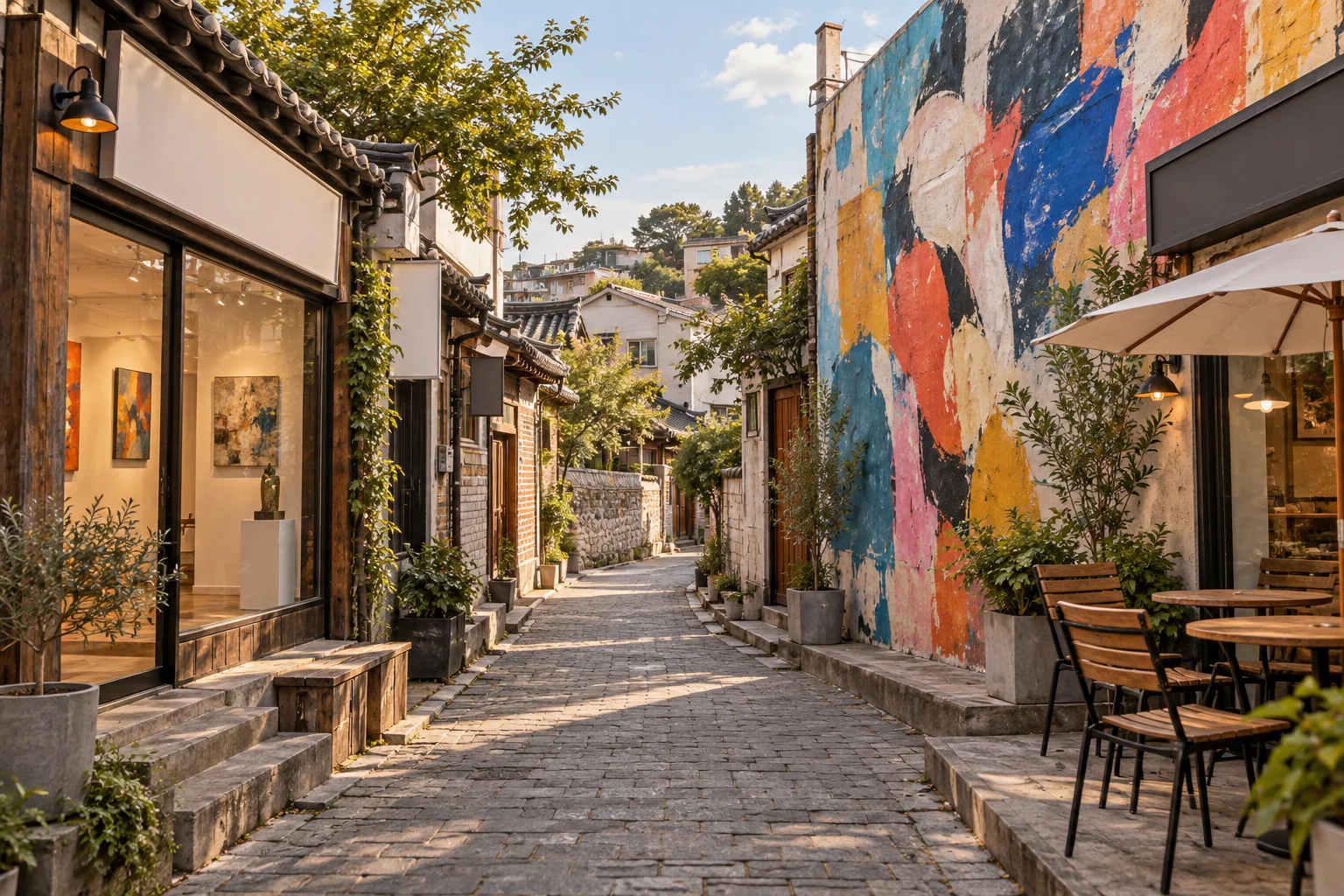
The Jung-gu District Office describes the Daeheung-dong Culture and Arts Street as a street where you can enjoy exhibitions and performances in various galleries and small theaters, with street performances at various spots. The Korea Tourism Organization calls the Daeheung-dong area Daejeon's old downtown and writes that stylish buildings and cafes coexist with scenery reminiscent of the 1970s and 80s. Vintage paintings on exterior walls, old lanes, art-supply shops, small theaters and galleries stand out, it says. This is where the city's history seen in the hall connects to today's shops and lanes, so it suits an unhurried walk, looking at signs and wall paintings one by one. The accessibility items on the same Korea Tourism Organization page show a step at the main entrance and similar points, so check before visiting if you travel with someone with limited mobility.
3. Daeheung-dong Catholic Church
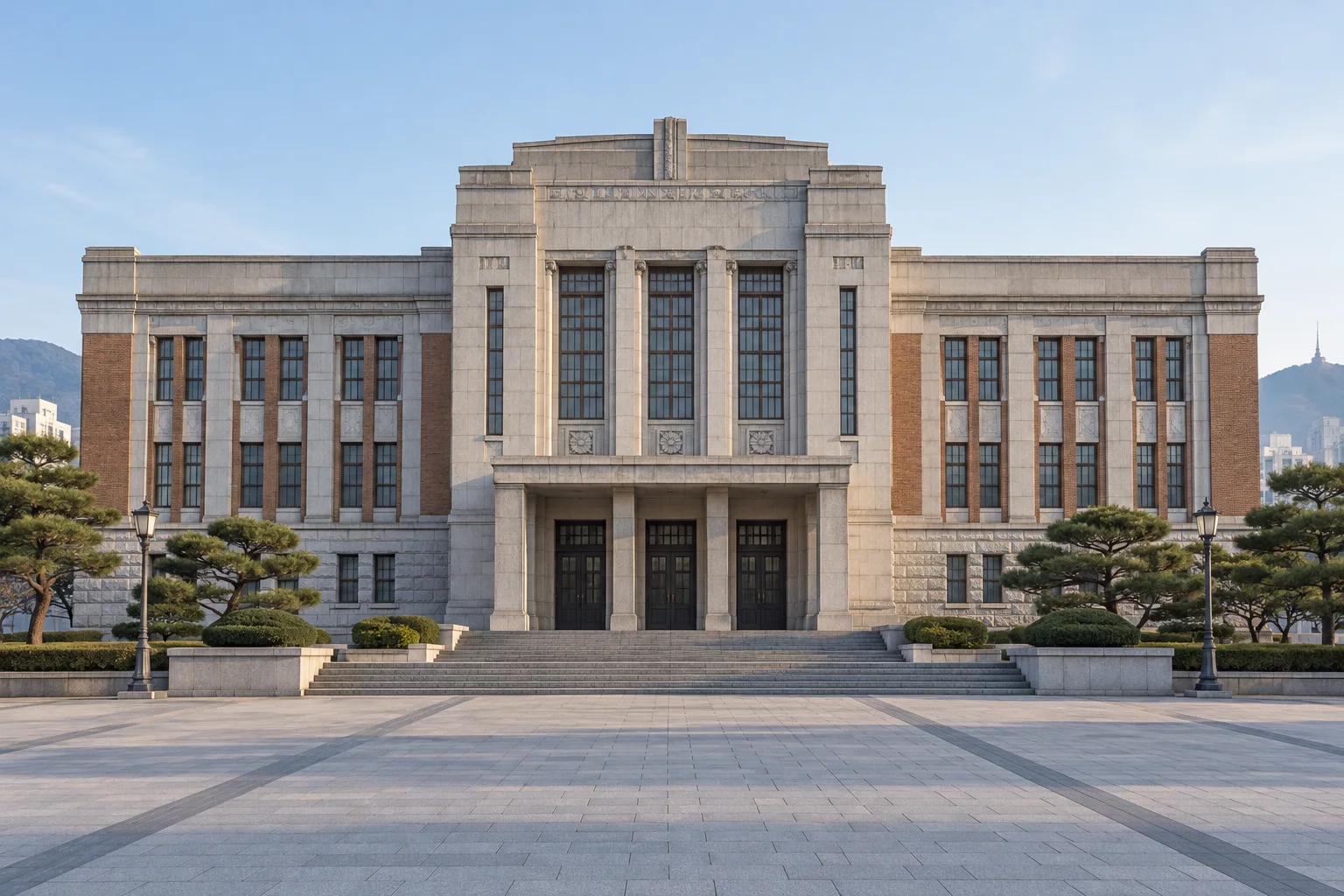
According to the Jung-gu guide, Daeheung-dong Catholic Church is a nationally registered cultural heritage site and a case of Korean modernist church architecture that reinterprets the Gothic style in a contemporary way. Reliefs of the twelve apostles can be seen on the outer wall of the main hall, and inside, stained glass and a large mural painted by the French priest Buddong are said to be preserved. Starting from the modern government architecture of the hall, passing through the everyday scenery of the street, the route thus ends with a modern interpretation of religious architecture. A church is a place where worship and its schedule come first, so check directly before your visit whether the interior is open and what etiquette applies.
What to check before you go
This order is a suggestion for comparing exhibitions and architecture, not a verified shortest walking route or journey time. If you want to attend an exhibition or performance on the street, check the venue’s program for that day. Do not make church interior access a fixed part of your plan. The tourism guide below does not list December–February hours; do not apply the other months’ schedule to winter.
The Korea Tourism Organization's English guide states that admission to the hall is free, that it is open 10:00-19:00 from March to October and 10:00-18:00 in November, with admission until 30 minutes before closing. It is closed on Mondays, on 1 January, and on the days of Seollal and Chuseok, among others. Still, it is safer to recheck detailed schedules and special exhibitions on the Daejeon city website. Before you go, confirm the entrance location through official guidance and a map.
Questions before your visit
Can I see the former Chungnam Provincial Government building as well as exhibitions at Daejeon Modern History Exhibition Hall?
Yes. The hall occupies the first floor of the former provincial government main building, built in 1932, and building visits are also listed. Explore the reused government space alongside the permanent exhibition rather than looking for a newly built exhibition venue.
How do Daejeon Modern History Exhibition Hall and Daeheung-dong Culture and Arts Street differ?
The permanent exhibition explores Daejeon’s modern urban history, while the street offers galleries, small theaters and everyday scenes in old lanes. We suggest understanding the city’s history first and comparing it with the street’s cultural spaces; check the day’s exhibitions and performances separately.
What architecture can I see at Daeheung-dong Catholic Church, and can I enter?
The church is described as Korean modernist church architecture that reinterprets the Gothic style. Official guidance mentions exterior reliefs of the twelve apostles, stained glass and an interior mural, but we have not confirmed interior opening hours. Worship and its schedule come first, so check access and visiting etiquette directly before going.