
From Dongsan Cheongna Hill to the Old Houses: Daegu Modern Cultural Alley
For modern architecture and the stories of local figures in Daegu, focus on Dongsan Cheongna Hill, Daegu Gyesan Cathedral and the homes of Lee Sang-hwa and Seo Sang-don. This selects the first part of official Course 2; its full-route figures of 1.64 km and about two hours do not describe this shorter section.
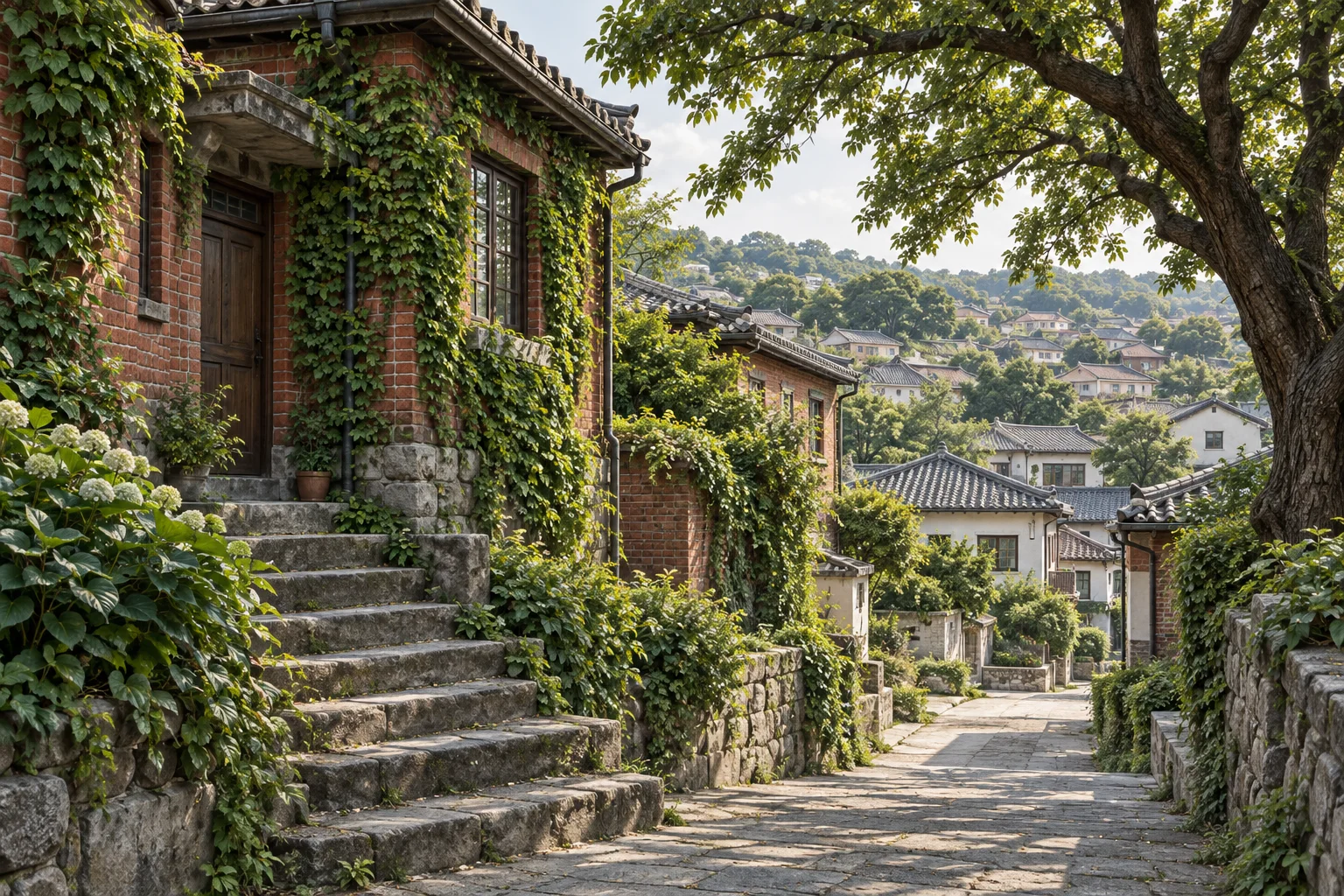
In Daegu's Jung-gu there are alleys where time from the late nineteenth to the mid twentieth century lies in layers. The Daegu city tourism site introduces this route as an alley tour following the traces of Daegu's modern culture, and explains that it corresponds to Course 2 among the Jung-gu alley tours. It is an urban walk that starts at Dongsan Cheongna Hill and takes in the missionary houses, the Daegu 3.1 Independence Movement Road, Daegu Gyesan Cathedral, the homes of Lee Sang-hwa and Seo Sang-don, a museum of traditional Korean medicine, Jingolmok and more.
This piece is a proposal that strings together the first part of that route: Dongsan Cheongna Hill, Daegu Gyesan Cathedral and the two old houses. A Korea Tourism Organization article says Daegu suffered comparatively little damage during the Korean War, so the way of life from before and after the war has been relatively well preserved. Thanks to that, the red-brick missionary houses, a Gothic cathedral, and the homes of an independence activist and a poet are linked within a single neighborhood. Check the entrances and walking routes on a map on the day of your visit and adjust the order.
Suggested order
We suggest starting at Dongsan Cheongna Hill, following the Daegu 3.1 Independence Movement Road down to Daegu Gyesan Cathedral, and then continuing from the cathedral to the homes of Lee Sang-hwa and Seo Sang-don. The Course 2 itinerary described in the Korea Tourism Organization article follows the same order: the Dongsan missionary houses, the Daegu 3.1 Independence Movement Road, Daegu Gyesan Cathedral, the Lee Sang-hwa house, and the Seo Sang-don house. Daegu city's guide lists the whole of Course 2 as 1.64 km in total and about two hours, but that figure is for the official course that also includes the museum of traditional Korean medicine and Jingolmok. We could not confirm the distance or time for the first section proposed here.
1. Dongsan Cheongna Hill and the Daegu 3.1 Independence Movement Road: Ivy on Red Brick
On Dongsan Cheongna Hill stand houses where American missionaries lived around the turn of the twentieth century. According to a Korea.net report, the Blair, Chamness and Switzer houses are preserved, and a local guide explained that the hill came to be called Cheongna, written with the characters for green and ivy, because ivy covered the roofs. The Korea Tourism Organization article says the three buildings were opened as museums in two stages, in 1999 and 2001, with the Switzer house used as a mission museum, the Chamness house as a medical museum, and the Blair house as an education history museum.
The next stretch is Daegu 3.1 Independence Movement Road. It is known as the way students passed to avoid police surveillance when joining the March 1, 1919 independence demonstrations, and the stairs that continue from it are called the 90 steps or the March 1st Movement Stairs.
2. Daegu Gyesan Cathedral: The First Gothic Cathedral in Yeongnam
Coming down the stairs, you reach Daegu Gyesan Cathedral. Korea.net introduces it as the first Gothic-style cathedral in the Yeongnam region and says it was completed in 1902. The Korea Tourism Organization article describes it as an important heritage building dating from the early 1900s.
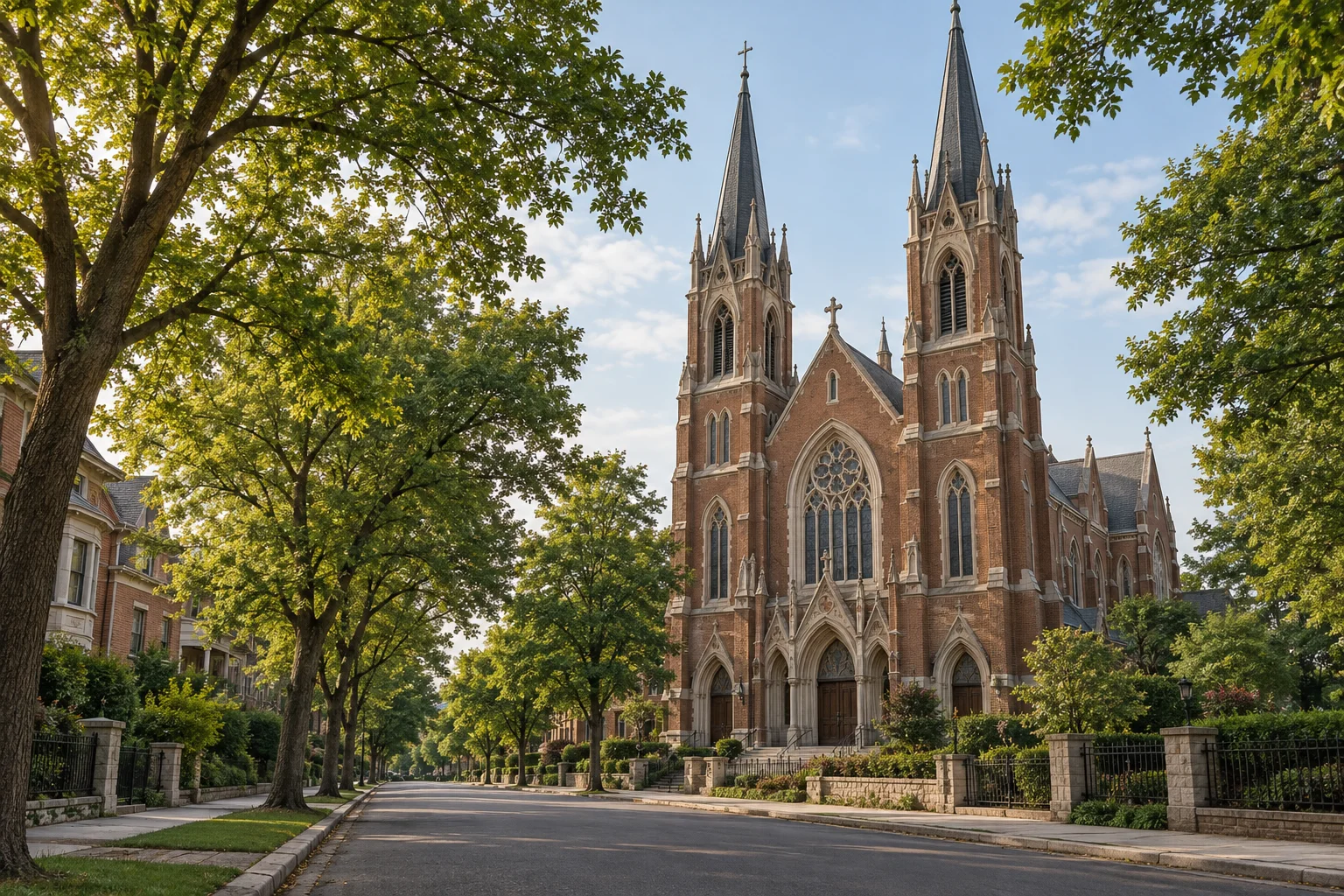
Inside, belongings of Saint Andrew Kim Dae-geon, Korea's first Catholic priest, are said to be preserved, along with stained glass depicting him. A guide explained that through the stained glass brought from France when the cathedral was built, the morning and midday light spreads in different ways. Check the interior visiting hours and etiquette with the cathedral before you go.
3. The Homes of Lee Sang-hwa and Seo Sang-don: Memories of Poetry and Fundraising
The two houses connect literature with civic fundraising. Seo Sang-don was an independence activist who led the National Debt Repayment Movement of 1907 to 1908, which aimed to pay off the national debt through public donations. Lee Sang-hwa was a poet from Daegu, known for the poem Ppaeatgin deuredo bomeun oneunga (Will Spring Come Even to the Stolen Fields?), which sang of the nation's pain under Japanese rule.
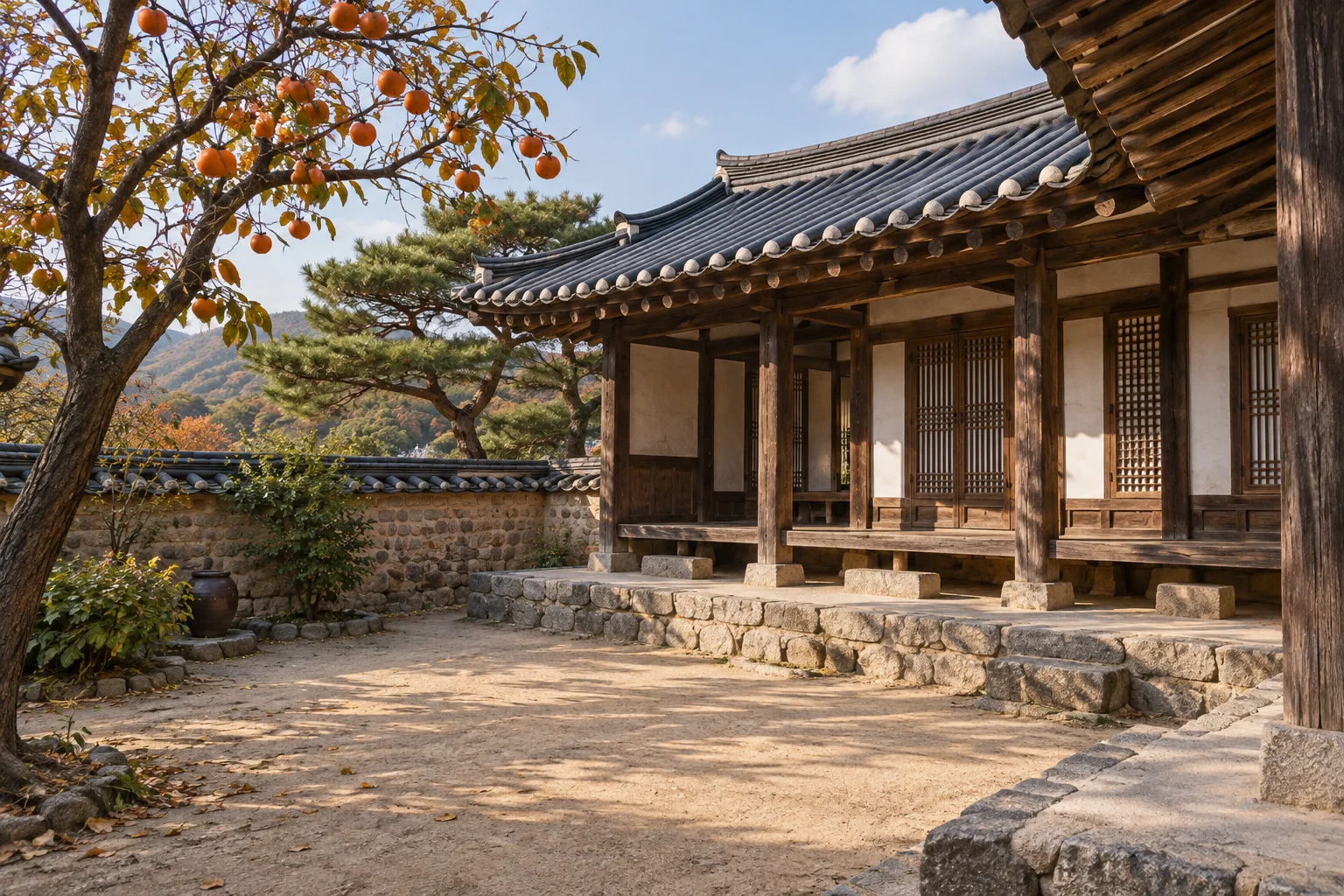
The Korea Tourism Organization article says a 1999 campaign for one million signatures opened the way to preserving the Lee Sang-hwa house.
What to Check Before You Go
Daegu city's guide states that free regular guided tours are offered twice every Saturday, at 10:00 and 14:00, and the inquiry number is 053-661-2624. Opening hours are listed as unrestricted and the fee as free. The Korea Tourism Organization article says a regular tour may be canceled if it falls short of the minimum number of participants and that you can also walk on your own without a guide, but that information was updated as of January 2025. There is also a 2023 Korea.net note that guided tours for foreign visitors are given in English, Japanese and Chinese on Saturdays at 14:00, so check whether this is currently operating on the Daegu Jung-gu Office website. We could not confirm the opening hours of the missionary-house museums or the two old houses.
Plan streets and interiors separately
If architecture is your priority, focus on the missionary houses and cathedral; if people interest you more, concentrate on the interpretation at the two homes. Plan the street walk separately from interior visits. Do not use the full Course 2 distance and duration to calculate this selected section, whose distance and duration remain unverified.
Questions before your visit
Does walking from Dongsan Cheongna Hill to the Lee Sang-hwa and Seo Sang-don houses cover all of Course 2?
No. The official route also includes the museum of traditional Korean medicine and Jingolmok; this selection focuses on architecture and the two figures. The 1.64 km and roughly two hours apply to the full route, while the distance and duration of this section remain unverified.
Can I walk the Daegu Modern Cultural Alley without a guide?
The Korea Tourism Organization article updated in January 2025 says independent walks are possible. Walking the streets does not guarantee entry to the missionary-house museums, cathedral or old houses; these materials do not establish their interior opening hours.
How do the stories of the Lee Sang-hwa and Seo Sang-don houses differ?
Lee Sang-hwa’s house relates to a poet who expressed the nation’s pain under Japanese rule, while Seo Sang-don’s relates to the National Debt Repayment Movement funded by public donations. Compare the homes through these distinct interests: literature and civic fundraising.